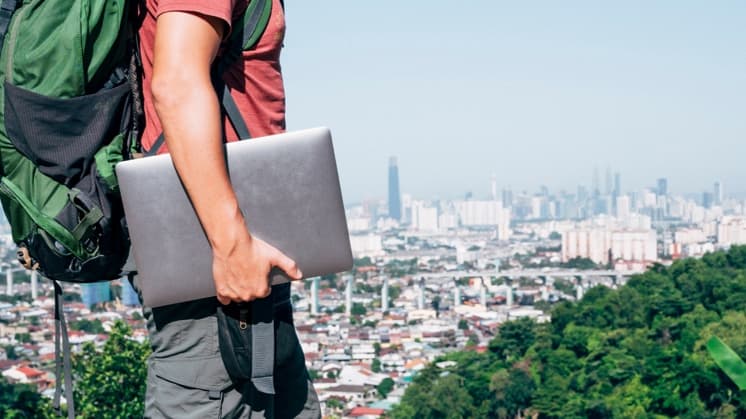
Best Countries for Digital Nomads in 2027

"Best countries for digital nomads in 2027" is what people type when the cafe Instagram reel stops being a plan.
I already wrote a 2026 remote-worker lifestyle shortlist. This one is stricter. The filter is a lawful remote stay you can name, an income or savings floor you can put on a spreadsheet, and a city where video calls and rent do not fight each other every month.
Eight countries made the cut: Spain, Portugal, Croatia, Colombia, Brazil, Georgia, Japan, and Estonia. Run your numbers through the digital nomad visa calculator, skim the income floor index, then pressure two finalists in Compare. A quick money-bar cheat sheet sits at the end after you read the country notes.
How I ranked these bases
I kept five checks. Lifestyle fluff lost every tie.
- Named stay path (digital nomad permit, remote residence, or a long visa-free window people actually use)
- Published money test you can model before you resign
- Stay length that covers more than a tourist hop
- Internet and coworking depth in at least one real hub city
- Honest downside (seasonality, high floors, short ceilings, or admin that eats a week)
Floors in the closing table are planning figures from our residence catalog as of late 2026. Minimum wages and exchange rates move. Confirm the live official page before you book biometrics. Each country section links the matching residence pathway page on Country To Live.
Almost every route below also asks for health cover that matches the stay. Private policies differ on deductible, electronics add-ons, and what embassies accept. Compare wording before you buy.

1. Spain
Spain remains the loud European answer when you want real city life plus a Startup Law remote route. Solo planning income sits around €2,849 a month (200% of the 2026 SMI). Most of your clients or employer need to sit outside Spain.
Valencia and Málaga often feel kinder than Madrid or Barcelona on rent. Spanish admin still wins arguments. Appointment scarcity is not a personality flaw in the system. It is the system.
Best for: remote employees who already clear the euro floor and want cafes, trains, and a Schengen address that feels adult.
Watch out: tax residency can follow long stays even when your payroll is foreign. Stack Spain vs Portugal if both files look close.
Full route notes: Spain digital nomad visa.

2. Portugal
Portugal’s D8 is the remote-work residence story people still mean when they say “EU nomad base.” Solo applicants need about €3,680 a month on average across the last three months (four times the 2026 national minimum wage of €920), then an AIMA residence card after arrival.
Porto, Braga, and smaller cities leave more runway than Lisbon. The capital is a different conversation after years of demand. Read the longer Portugal digital nomad guide if you are already leaning west.
Best for: people who want a two-year-style residence rhythm and can prove foreign remote work cleanly.
Watch out: consulate queues and AIMA timing. Income multiples move when the national minimum wage changes, so rebuild the spreadsheet every year.
Full route notes: Portugal D8 digital nomad visa.
3. Croatia
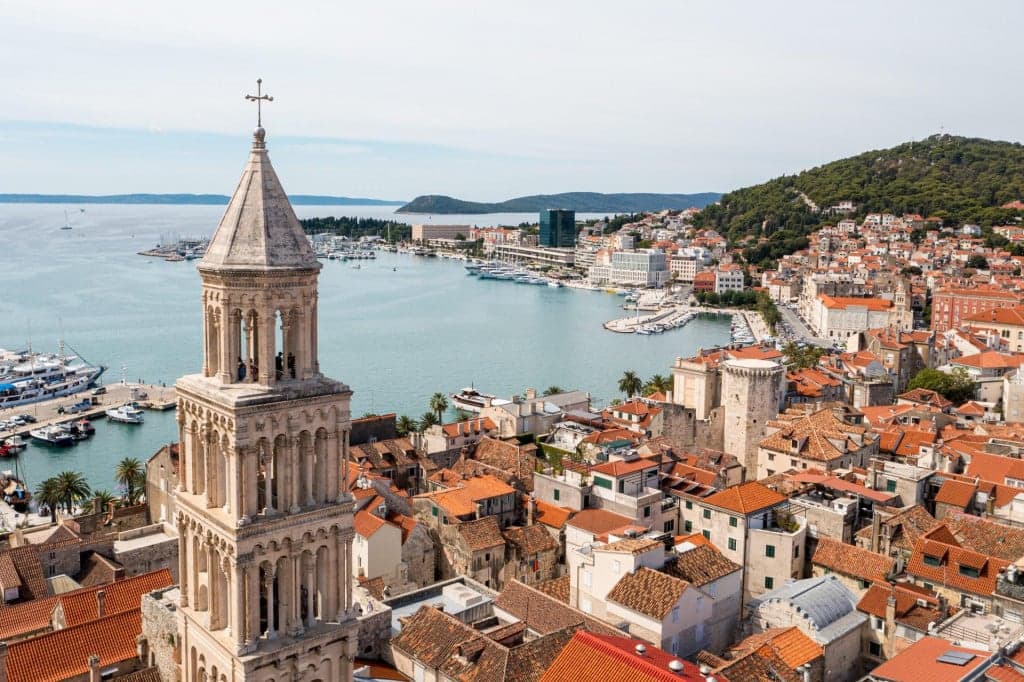
Croatia is the time-boxed Adriatic play. Non-EU remote workers can stay up to 18 months total while working for employers or clients outside Croatia. Planning income sits near €3,622.50 a month, or you show a lump-sum bank balance for the planned stay (about €43,470 for 12 months / €65,205 for 18 months on current MUP math).
Split and Zagreb handle coworking differently. Coastal rent still spikes in summer. After the stay ends, expect a waiting period before a fresh digital nomad filing. This is not a quiet path to permanent residence.
Best for: people who want EU coast for a defined chapter, not an open-ended citizenship story.
Watch out: the ceiling is real. Plan the exit or the next base before month 15, not month 17.
Full route notes: Croatia digital nomad permit.
4. Colombia
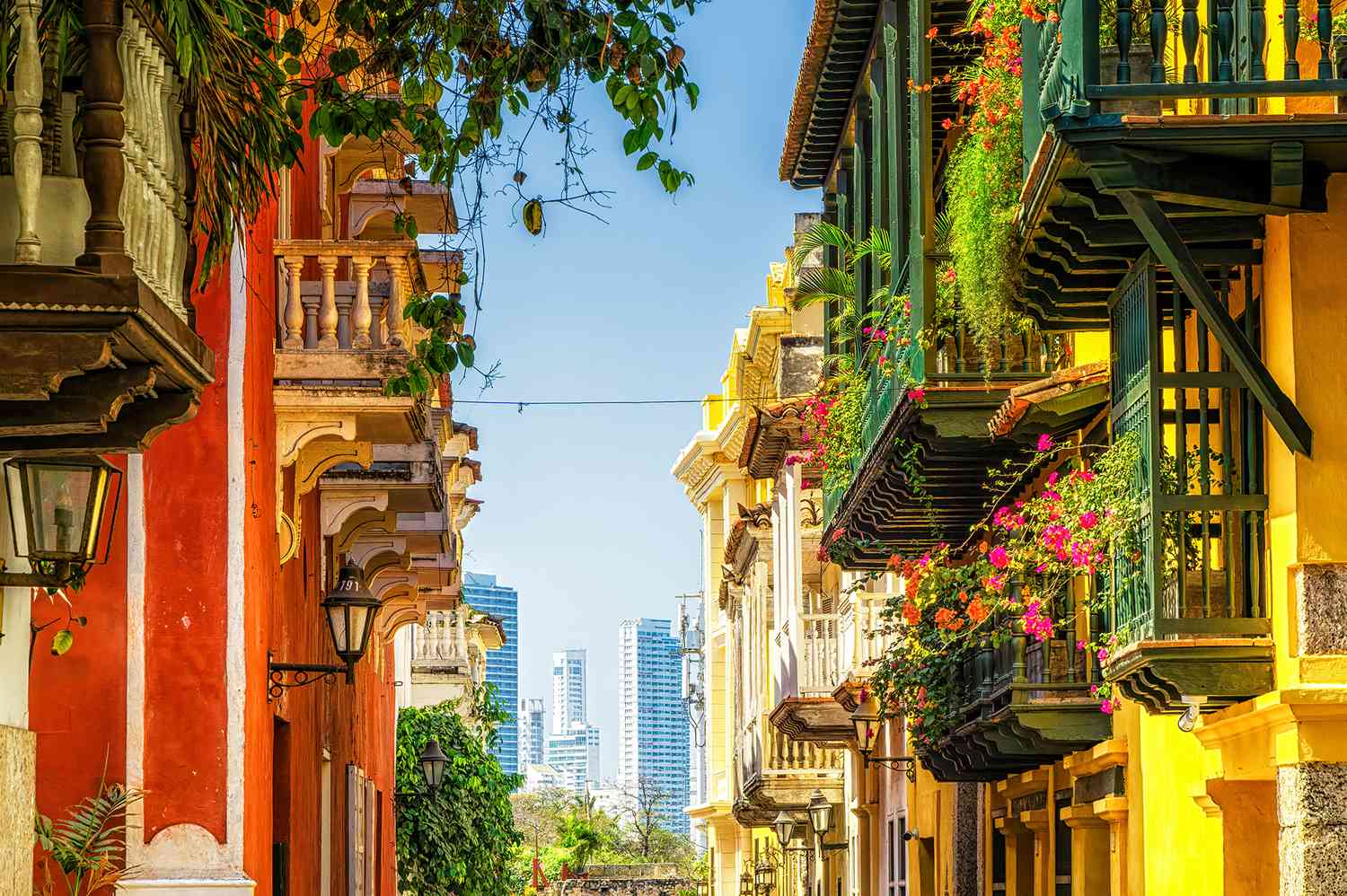
Colombia is the Latin America pick when you want a named Visa V digital nomad route and a floor that is not Western Europe. Cancillería math runs at three times the 2026 monthly minimum wage: about COP 5,252,715 a month across the last three months of bank proof. Stay can run up to two years. You cannot take paid work for a Colombian company or resident.
Medellín still absorbs most remote chatter. Bogotá wins on flights and institutions. Safety is neighborhood-level, not country-level slogans. Deeper city notes live in Colombia for digital nomads.
Best for: mid-income remote workers with a visa-exempt passport and clear foreign contracts.
Watch out: officers work in pesos. Build the file around COP, not a lucky USD conversion from one Tuesday.
Full route notes: Colombia Visa V digital nomad.

5. Brazil
Brazil’s VITEM XIV is for remote employees and freelancers paid from outside Brazil. A common planning test is about $1,500 a month or about $18,000 in available funds. From September 2026, many visitor-visa-exempt nationals can file electronically through Brazil’s Integrated Consular System, then register with the Federal Police after arrival.
São Paulo and Florianópolis attract different temperaments. Portuguese helps more than people admit after week two. The visa is often issued for up to one year and may renew once. Long-term settlement usually needs a different category later.
Best for: people who want South American scale, a dollar-denominated floor, and a route that is not tourist stamp roulette.
Watch out: CRNM registration deadlines after landing. Tax residence is separate from the visa stamp.
Full route notes: Brazil digital nomad visa (VITEM XIV).

6. Georgia
Georgia is still the fast base when your passport gets up to 365 days visa-free. There is no separate branded sticker for everyone. Many nationalities just enter and work remotely for foreign clients. Others use a Remotely from Georgia style track with about $2,000 monthly foreign income or about $24,000 savings, plus insurance.
Tbilisi handles the coworking scene. Batumi is the Black Sea chapter. Since 2026, visitors are expected to carry travel or medical insurance covering the stay. Visa-free years alone usually do not build permanent residence the way a formal permit does.
Best for: people who want low burn, quick arrival, and a year to decide without a six-month consulate queue first.
Watch out: local Georgian payroll generally needs a separate work permit. Keep foreign pay foreign.
Full route notes: Georgia digital nomad stay.

7. Japan
Japan is on this list as the honest high bar, not the cheap Asia fantasy. The digital nomad visa usually needs about 10 million yen a year in income (our catalog guide sits near $5,600 a month), solid insurance, and work only for employers or clients outside Japan. Stay is typically up to six months, not a renew-forever residence story.
Tokyo and Osaka deliver infrastructure that makes weaker internet countries feel embarrassing. Eligible passport lists and insurance formats are strict. Treat this as a focused chapter if you already clear the yen floor.
Best for: high earners who want Japan for a defined remote season, not a soft landing on a mid salary.
Watch out: six months ends. Long-term Japan living needs a different visa family.
Full route notes: Japan digital nomad visa.

8. Estonia
Estonia is the digital public services pick inside Schengen. The digital nomad D visa targets remote employees and freelancers who meet a published programme threshold around €4,500 a month. Official pages disagree on gross versus net wording, so confirm the basis your embassy uses.
Tallinn’s old town is the postcard. The real pitch is e-government, fiber, and admin that does not require a paper shrine. Winter light is the trade. Russian and Belarusian applicants face separate visa restrictions.
Best for: people who already clear a high euro floor and care more about digital infrastructure than beach photos.
Watch out: this is a national long-stay visa, not automatic permanent EU residence. Plan the next step before the sticker expires.
Full route notes: Estonia digital nomad visa.
Picking two finalists for 2027
Start with money and stay length, then argue about food.
- Under ~$2,000/month remote income: look hard at Colombia, Brazil, and Georgia before you romanticize Spain.
- Want EU coast with a hard end date: Croatia.
- Want renewable EU residence math: Spain or Portugal.
- Already a high earner chasing Asia depth for half a year: Japan.
- Want Schengen admin that feels like software: Estonia.
If the first month needs a deposit before a local bank exists, send the transfer with a clear mid-market rate so the landlord sees the amount you meant. Then open the account your bills will use.
Price your city in the cost of living calculator, run Should You Move, and open the residence pages linked above before you quit anything. For easier paperwork trades, see easiest digital nomad visas in 2026. Rules change. Verify official sources for the year you apply.
Nomad money bars at a glance
| Country | Route people mean | Planning money bar | Stay shape |
|---|---|---|---|
| Spain | Digital nomad visa | ~€2,849/month solo | Renewable residence story |
| Portugal | D8 remote work | ~€3,680/month (3-month average) | Residence card after arrival |
| Croatia | Digital nomad permit | ~€3,622.50/month or lump-sum savings | Up to 18 months total |
| Colombia | Visa V nómadas digitales | ~COP 5.25M/month (3× SMLMV) | Up to 2 years |
| Brazil | VITEM XIV | ~$1,500/month or ~$18,000 savings | Often 1 year, renew once |
| Georgia | Visa-free / Remotely track | Often none visa-free; ~$2,000 remote track | Up to 365 days for many passports |
| Japan | Digital nomad visa | Usually up to 6 months | |
| Estonia | Digital nomad D visa | ~€4,500/month programme threshold | Schengen remote base |
Comments on Best Countries for Digital Nomads in 2027
Loading comments…
Share your experience

About the author
Noah Walker
Editorial writer for Country To Live, covering relocation research, visas, taxes, and quality-of-life comparisons.