
5 Easiest Digital Nomad Visas to Get in 2026 (When You Just Want to Move)

"Easiest digital nomad visa" sounds like a TikTok title until you open a Spain or Italy checklist and realize you need six months of bank statements, a housing contract, and the patience of a saint.
Easy does not mean fake. It means the income test is reachable, the form stack is short, and you are not betting your lease on a quota lottery. I picked five routes we track on Country To Live: four outside Europe plus one Europe pick when you still want EU base time without the hardest filings on the continent.
Run your income through our residence eligibility quiz, compare living costs on the calculator, and read each country's full pathway page before you book a one-way flight.
How I ranked "easy"
I am not counting vibes. I looked at:
- Income floor (can a normal remote salary pass?)
- Difficulty rating on our residence pages
- How you apply (online vs endless consulate visits)
- Whether the route is actually for remote work, not a tourism e-visa with a gray area
Spain, Italy, and Greece have great nomad visas. They are not on this list. Different article.
Europe note: Every branded EU nomad permit on our site is at least medium difficulty. Croatia is here as the most straightforward Europe option in that group, not because it beats Mauritius on paperwork.
1. Mauritius Premium Visa
If you want island time without selling a kidney to meet the income test, Mauritius is the quiet winner on our data.

Why it is easy: We rate it easy. Processing is often days to weeks. No criminal record certificate on the standard checklist. The income planning figure is about $1,500 per month from abroad, plus insurance and proof of where you will stay.
What you get: A long stay, often up to one year and renewable, for remote workers, retirees, and long visitors who earn outside Mauritius. You are not taking a local job. Your clients and employer stay offshore.
The catch: This is not EU access. It is not a path to citizenship. Mauritius is wonderful for lifestyle and timezone juggling with Europe and Asia, but treat it as a long visit base, not a forever passport strategy.
Go deeper: Full rules on our Mauritius Premium Visa residence page.
2. Cape Verde Remote Working Program
Cape Verde is the answer when someone says "I just want to upload PDFs and go."
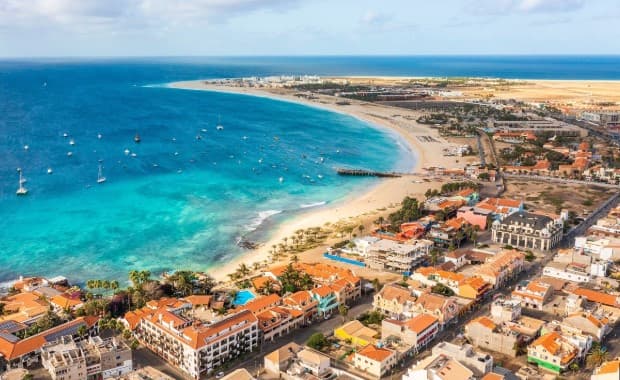
Why it is easy: Also rated easy on our site. The programme portal is built for remote workers. Fees are modest (government pages often cite about €20 for the visa plus an €34 airport charge, but confirm live amounts). Processing is often around two weeks when your file is complete.
What you get: A 6-month remote-work stay with a common 6-month extension (12 months total on the programme track). You need insurance, lodging proof, remote income evidence, and standard background papers. There is no published euro salary minimum like Spain's SMI math. You still need to show you can support yourself.
The catch: You are on an Atlantic island chain with limited flights and a smaller expat scene than Lisbon or Mexico City. Tax marketing mentions relief for qualifying foreign income. Read the official tax notice for your year. Do not assume zero tax because a blog said so.
Go deeper: Step list on our Cape Verde Remote Working Program page.
3. Brazil Digital Nomad Visa (VITEM XIV)
Brazil is the Latin America pick that still counts as "easy enough" for most remote workers with a normal salary.

Why it makes the list: Income is about $1,500 per month from abroad, or roughly $18,000 in available funds as a published alternative. That is lower than Barbados Welcome Stamp or most EU nomad routes. The visa has a clear name and a national rule set, not a forum rumor.
What you get: VITEM XIV is Brazil's digital nomad category for employees and freelancers serving employers or clients outside Brazil. After arrival you register with the Federal Police and get your residence card. Skipping that step is how people turn an easy visa into a hard problem.
The catch: We rate it medium, not easy. Apostilled police certificates, insurance wording, and consulate wait times still matter. Tax residence is separate. A year in Florianópolis can still trigger Brazilian filing questions even if your boss is in Texas.
Go deeper: Our Brazil digital nomad pathway walks through the file order.
4. Croatia digital nomad permit (Europe pick)
You asked for Europe. Here it is.
Croatia is not as light as Mauritius on paperwork. Among named EU digital nomad permits on our site, though, it is the one I would file first if you want Split or Zagreb without Italy's harder rating or Spain's busier consulate queues.
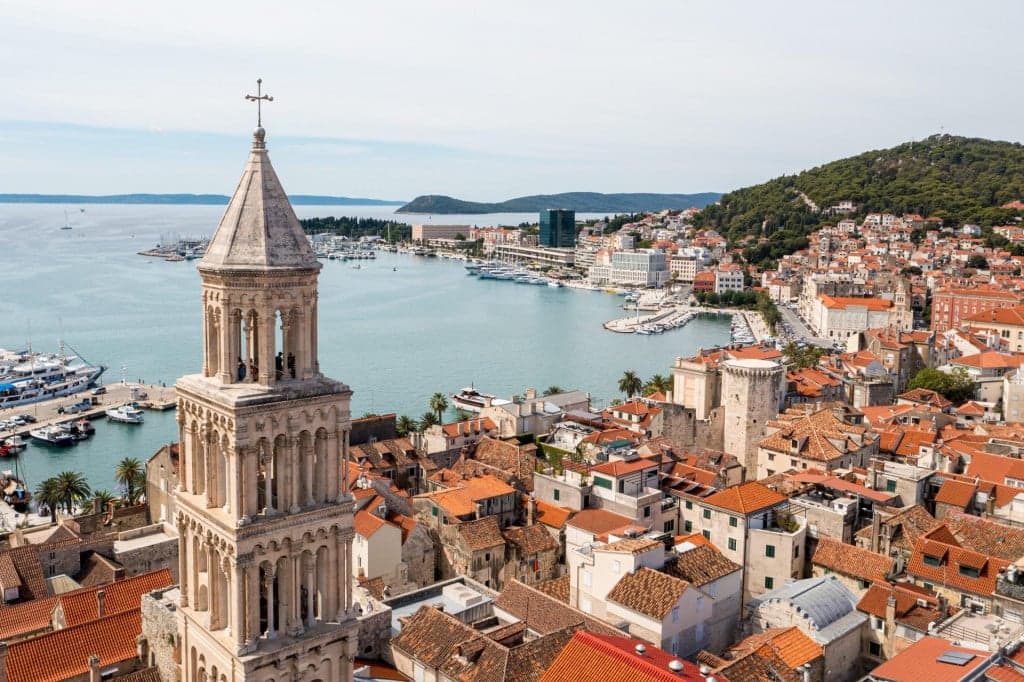
Why it is the Europe pick: Croatia runs a dedicated digital nomad permit with a published monthly income floor tied to average wages. As of September 2026, Croatia’s Interior Ministry cites €3,622.50 per month for one adult (2.5 times the 2025 average net wage of €1,449). We rate it medium, which is still softer than hard routes like Italy's nomad visa on our pages.
What you get: A temporary stay while you work remotely for employers or clients outside Croatia. EU citizens use free movement instead. Everyone else files with clear remote-income proof, insurance, and housing.
The catch: This is not permanent residence. You are buying time in the EU neighborhood, not an automatic long-term settlement card. Income math changes each year. Dubrovnik rent is not Balkan cheap anymore.
Go deeper: Full checklist on our Croatia digital nomad residence page.
5. Kenya Digital Nomad Visa (Class N)
Kenya rounds out the list for remote workers who want Africa beyond the Indian Ocean islands, with a permit that finally has a real name.

Why it makes the list: Kenya cut the old sky-high income bar. Class N now uses USD 24,000 per year in assured foreign income (about $2,000 per month for planning). You apply online through eFNS with contracts, bank proof, and accommodation papers. The story is simple: remote work stays outside Kenya.
What you get: A Class N work permit for digital nomads, often issued for one or two years with renewal options. Fees in 2026 commonly include about USD 200 processing plus USD 1,000 per year for issuance (confirm live tables).
The catch: Still medium difficulty. Officers want one clean remote-work narrative. Nairobi power and traffic are real. This is not a beach-laptop default like Cape Verde.
Go deeper: Our Kenya digital nomad pathway lists the forms and income proof.
Honorable mentions (not top 5, still useful)
- Georgia remote-friendly stay – Long visa-free entry for many passports and very low living costs. Not a branded nomad visa, but often the fastest way to test a move.
- Vietnam e-visa – Online, cheap, three months. Great for a trial run in Da Nang. Not a one-year nomad permit.
- Hungary White Card – Clear €3,000 net rule and fast timelines, but strict limits on family and later permit switches.
- Heavier EU options like Spain and Portugal D7 – Better for long EU life, more paperwork. See our Europe picks post.
Quick comparison
| Route | Income planning floor | Our difficulty | Typical stay |
|---|---|---|---|
| Mauritius Premium Visa | ~$1,500/month offshore | Easy | Up to ~1 year, renewable |
| Cape Verde Remote Working | Proof of remote funds (no fixed EU-style minimum) | Easy | 6+6 months on programme |
| Brazil VITEM XIV | ~$1,500/month or ~$18k savings | Medium | Often 1 year, renewable |
| Croatia digital nomad | ~€3,622.50/month (2026 MUP figure) | Medium | Temporary; renew or switch later |
| Kenya Class N | ~$24,000/year foreign income | Medium | Often 1–2 years, renewable |
Before you apply
- Open the official government page for your passport. Eligibility and document lists change.
- Match your story to one visa type. Do not tell the consulate you are a tourist and a founder and a retiree in the same form.
- Plug rent and groceries into the cost of living calculator for the city you actually want, not the Instagram one.
- If you are torn between two countries, use Compare or filter all routes on /residence.
Visa rules change. This post is relocation writing, not legal advice. When in doubt, pay a licensed immigration lawyer in the country you want to enter, not a YouTube comment section.
Comments on 5 Easiest Digital Nomad Visas to Get in 2026 (When You Just Want to Move)
Loading comments…
Share your experience

About the author
Noah Walker
Editorial writer for Country To Live, covering relocation research, visas, taxes, and quality-of-life comparisons.


