Best Investment Residence Permits in 2026: Golden Visas and Property Routes That Still Work

"Golden visa" still trends like a magic wand. Buy a flat, collect a residence card, move on with your life.
Let's be real. Some of those programs closed. Others stopped selling apartments and now want regulated funds. A few still work if you have capital, clean paperwork, and the patience to treat immigration like a compliance project, not a holiday booking.
This guide is about investment residence: routes where the main gate is money you put into property, funds, a company, or a published capital package, not a remote salary. I stick to pathways we already publish on Country To Live, so you can open the full checklist when you shortlist a country.
If you are not sure you even fit a capital route, start with our residence eligibility quiz. For monthly living costs after you land, use the cost of living calculator.

What "investment residence" actually means
I am not talking about digital nomad visas with a salary screenshot. Those are useful. They are a different product.
Investment routes usually ask for:
- A minimum capital (property, fund, equity, donation, or bonds)
- Source-of-funds proof that survives banking and immigration review
- Often a clean police record, insurance, and a place to live
- Renewal rules tied to keeping the investment, not just renewing a job contract
Citizenship is almost never automatic. Permanent residence may open later. Treat every marketing PDF as outdated until you check the live pathway page and official sources.
Spain note up front: Spain’s golden visa is a legacy / closing category in our 2026 model. If you are a new applicant, do not wire money based on old €500k blog posts. Details sit on our Spain golden visa page. For new Spain plans, look at non-lucrative or digital nomad instead.
1. Greece golden visa
Greece is still one of the names people mean when they say "European golden visa."

The pitch: Non-EU investors can still pursue residence through qualifying investment. Property is the famous channel. Fund and strategic project routes exist too. Family inclusion is often broader than many EU alternatives.
The reality check: Minimums vary by area and have risen in popular zones. Old "€250k everywhere" marketing is how people buy the wrong district. Processing is often several months and depends on the property deal closing cleanly. We rate it hard because of capital and due diligence, not because of a language exam on day one.
Planning anchor on our site: About USD 250,000 as a blended savings figure. Your legal minimum can be lower or higher by zone and asset type.
Go deeper: Greece golden visa (investment residence)
2. Portugal Golden Visa (funds and culture, not homes)
If your Portugal plan still starts with "buy a Lisbon apartment for Golden Visa," stop. That chapter mostly closed.

The pitch: Portugal still runs a Golden Visa for many nationalities. The modern file is usually a regulated investment fund, a cultural contribution, or a business route. After compliant years you may aim for permanent residence and later citizenship, with Portuguese language tests on that longer track.
The reality check: Queues can run months to over a year. Fund lock-ups and manager regulation matter as much as the headline euro figure. We still use about USD 250,000 as a rough planning floor; real euro minimums differ by route. Rated hard.
Go deeper: Portugal Golden Visa
If you want Portugal without a big capital ticket, compare D7 passive income separately. Different story.
3. Italy investor visa (IV4I)
Italy’s investor visa is for people who can pick one published capital tier and live with committee scrutiny.
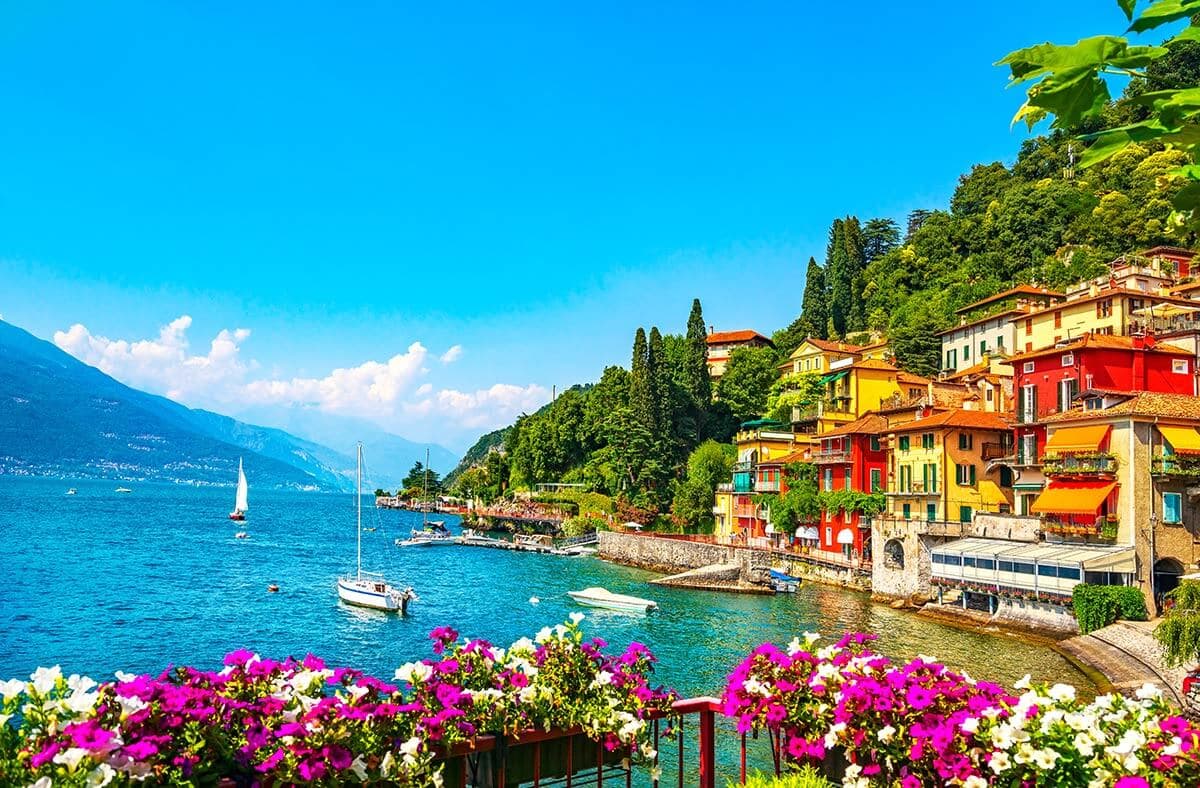
The pitch: Non-EU applicants commit to one tier: about €250k in an innovative startup, €500k in an Italian company, €1m philanthropic donation, or €2m in government bonds. You get nulla osta online first, then finish the investment within three months after arrival. First permit is often two years.
The reality check: You cannot mix tiers in one file. Miss the post-arrival investment deadline and the whole thing can collapse. Source-of-funds review is serious. We rate it hard. This is not Italy’s elective residence (passive income) or digital nomad visa.
Go deeper: Italy investor visa (IV4I)
4. Malta permanent residence programme (MPRP)
Malta sells permanent residence through investment, not a tourist-length card with a soft renewal.

The pitch: For people who are not EU, EEA, or Swiss citizens. Expect a government fee structure, a property rent-or-buy commitment, a donation component, and deep background checks. Agents are part of the process for a reason.
The reality check: Our planning savings figure sits around USD 550,000. Monthly salary is not the main filter. Permanent residence is not a passport. Citizenship is a separate, stricter lane. Rated hard.
Do not confuse MPRP with Malta’s nomad residence permit or the Global Residence Programme (GRP) tax-residence track.
Go deeper: Malta permanent residence programme (MPRP)
5. UAE property investor residency
The Gulf version of "buy the apartment, get the visa" is still very much a thing, with Dubai rules that moved in 2026.

The pitch: Qualifying property can unlock investor residency. In Dubai, sole owners on the two-year property investor route no longer face the old AED 750,000 floor (April 2026 update). Joint owners still need at least AED 400,000 per investor share. Longer golden-style stays usually need much more capital.
The reality check: Mortgage rules, off-plan vs finished, and emirate differences still decide outcomes. Source-of-funds and past Gulf immigration history matter. UAE citizenship is not the normal end goal. Rated hard.
Go deeper: UAE property investor residency
👉 Explore United Arab Emirates →
6. Turkey property-based residence
Turkey is the "I already bought a flat, now what?" route for a lot of people, and it is not the same as citizenship-by-investment ads on Instagram.

The pitch: Many foreigners can still apply for residence with a title deed. Processing is often weeks to a few months. We rate it medium relative to EU golden programs, which is not the same as "easy forever."
The reality check: Some busy districts limit new foreign address registrations even when foreigners can still buy there. Valuation and office practice vary. Property residence and citizenship-by-investment are separate products with different amounts. Our planning savings figure is about USD 200,000 as a capital buffer, not one national legal minimum written on a billboard.
Go deeper: Turkey property-based residence permit
7. Costa Rica inversionista (investor)
Central America’s capital route for people who want temporary residence tied to a real investment, not a pension letter.
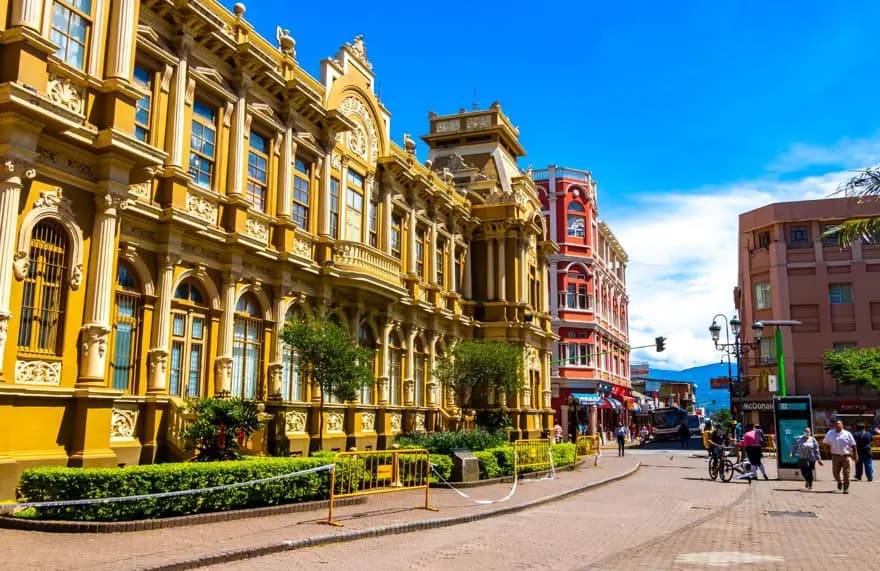
The pitch: Qualifying investments commonly sit at about USD 150,000 under Law 9996 (real estate, local business, securities, or approved projects). Temporary investor cards often run about two years and renew while the asset stays in place. Permanent residence can come later after compliant years.
The reality check: Sunset rules may push the floor back toward USD 200,000 if the lower amount is not extended past mid-2026. Registry diligence and apostilled papers make this feel slow. Rated hard. This is not pensionado or rentista.
Go deeper: Costa Rica inversionista visa
Quick comparison
| Route | Typical planning capital | Our difficulty | Best for |
|---|---|---|---|
| Greece golden visa | ~USD 250k+ (zone-dependent) | Hard | EU Schengen base via investment |
| Portugal Golden Visa | ~USD 250k+ (fund/culture/business) | Hard | EU path without buying a home for GV |
| Italy investor visa | From €250k tier | Hard | Fixed euro tiers and two-year cards |
| Malta MPRP | ~USD 550k structure | Hard | Permanent residence packaging |
| UAE property investor | Deed rules by emirate | Hard | Gulf base and tax-friendly lifestyle |
| Turkey property residence | ~USD 200k planning buffer | Medium | Title-deed residence, not CBI ads |
| Costa Rica inversionista | ~USD 150k (Law 9996) | Hard | Americas capital route |
Spain’s golden visa stays off this "open routes" table on purpose.
How to choose without getting sold a brochure
Ask yourself four questions before you wire anything:
- Do I need EU access, or is lifestyle + tax enough (UAE, Costa Rica, Turkey)?
- Can I lock capital for years, or do I need liquid remote income instead?
- Is property the product I want, or am I only buying it because a blog said so?
- Will my bank story survive source-of-funds review? If the money path is messy, every "easy golden visa" becomes hard.
Also compare living costs and day-to-day fit on our country pages and compare tool. A residence card in a city you cannot afford or stand is just expensive paperwork.
Other capital routes we track
If your shortlist is wider, we also publish pages for Azerbaijan property investment residence, Qatar permanent residency via real estate, Uzbekistan investment residence, Moldova investor temporary residence, Mongolia investor visa, and Malaysia Premium Visa (PVIP). Same rule: read the pathway, then verify official sources.
Bottom line
Investment residence still exists in 2026. It is not a single European "golden visa" product anymore. Greece and Italy still sell capital-for-status stories with sharp edges. Portugal shifted away from homes. Malta packages permanent residence for serious capital. UAE and Turkey lean on property titles. Costa Rica runs a clear inversionista floor. Spain’s famous program is mostly history for new buyers.
Pick the route that matches how you actually hold wealth. Then open the residence page, run residence eligibility, and talk to licensed counsel before you transfer funds.
This is planning guidance, not legal or tax advice. Rules change. Always confirm with official immigration authorities and a qualified adviser for your nationality.
Comments on Best Investment Residence Permits in 2026: Golden Visas and Property Routes That Still Work
Loading comments…
Share your experience

About the author
Noah Walker
Editorial writer for Country To Live, covering relocation research, visas, taxes, and quality-of-life comparisons.