7 best cities for car-free living

A country score for “car-free living” can hide a messy truth. A nation can look transit-friendly on paper while your actual life sits two buses and a parking lot from the supermarket.
Cities are where the plan either works or dies. You need trains or trams that run after work. You need groceries, clinics, and a gym you can reach without becoming a taxi app full-time. You need a flat near the network, not a cheap outer suburb that only makes sense with a car.
This is a shortlist of seven cities where living without a car is a normal adult choice, not a tourist stunt. It is not a dump of every country in our catalog. If you want that wider country ranking, use Best Countries for Car-Free Living. Here we stay at street level.
How I picked these seven
I looked for places where:
- Public transport is dense enough that a car becomes optional, not heroic
- Daily errands work on foot, bike, or a short ride
- Expats and remote workers already treat “no car” as normal
- The trade-off is honest: rent, flat size, or climate still bites
Missing from this list does not mean a city fails. It means these seven are the ones I would shortlist first if the brief was “I do not want to own a car.”
1. Vienna
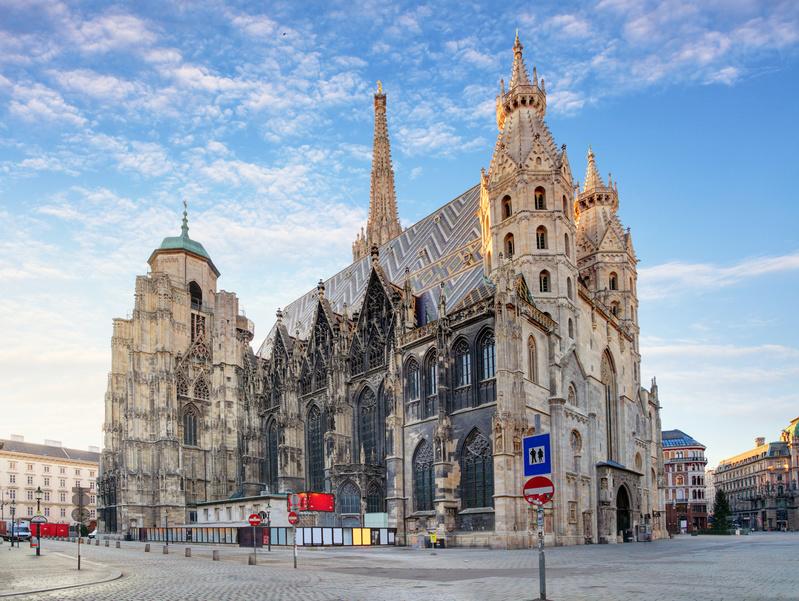
Vienna makes car-free living feel almost boring in the best way. Metro, trams, and buses cover the city like a utility. An annual pass is still one of Europe’s better deals relative to what you get. Elevators, curb-level stops, and a system that assumes people push strollers or shopping carts help more than flashy maps.
The catch is rent in the districts you actually want. Live near a U-Bahn line and the car stays optional. Chase a bargain too far out and you invent a commute problem you did not need.
2. Copenhagen
Copenhagen is bike-first, then metro and bus. Flat streets, protected lanes, and a driverless metro that keeps running late change the math for a lot of movers. You can do a full week without thinking about parking.
Winter is the honesty check. Rain, wind, and dark afternoons push more people onto the metro. That is fine if your flat sits near a station. It is less fine if your “car-free” plan assumes every day is a sunny bike postcard.

3. Tokyo
Tokyo’s rail network is the gold standard for coverage. Neighborhoods stack homes, shops, clinics, and stations so tightly that a car often feels like storage you pay for. Trains come often. Transfers are a skill you learn once, then stop fearing.
Rush hour is the price of admission. Standing room with a backpack is normal. Late-night last trains matter if your social life runs long. English on every sign is not guaranteed outside tourist spines, so week one takes patience.

4. Singapore
Singapore was planned for transit. The MRT and buses connect housing estates, offices, malls, and clinics with a clarity many bigger cities still chase. For a lot of residents, not owning a car is the default, not a protest.
Heat and humidity shape the day. Covered walkways help. So does accepting that you will air-condition your flat and time outdoor walks. Cars are expensive here anyway, which quietly pushes the culture toward transit.

5. Amsterdam
Amsterdam still earns the cliché. Bikes handle short trips. Trams cover the wet days. The centre is compact enough that many errands stay human-scale.
The trade-offs are real. Bridges, cobbles, and bike traffic take practice. Outer neighborhoods need clearer transit planning than a canal-side weekend suggests. And yes, tourists on rented bikes will test your patience in the core.

6. Hong Kong
Hong Kong’s MTR is dense, frequent, and used by people who are not performing “eco living.” Octopus taps become muscle memory. Many flats sit above malls and stations, which is annoying for space and excellent for errands.
Flats are small. Hills and humidity are not optional. Live near a line and car-free life is easy. Live on a poorly connected edge and taxis start eating the budget you thought you saved.

7. Zurich
Zurich is smaller than the Asian giants and still punches hard on car-optional living. Trams run like clockwork. Regional trains open weekend Alps without a rental desk. The city centre is walkable once you stop expecting American distances.
Cost is the filter. Transit is excellent. Rent and dining can erase the money you saved by skipping car ownership. If your budget is tight, Zurich may be “car-free and expensive,” not “car-free and easy.”

What breaks a car-free move
- Wrong neighborhood. A great city with a bad address still needs a car or a fortune in rides.
- School runs and weekend sports. Family logistics can outgrow a metro map.
- Late-night gaps. Last trains matter more than daytime frequency charts.
- Climate extremes. Heat, ice, or steep hills change how “walkable” feels in month three.
If you are still choosing a country first, compare two options in Compare, then pressure-test rent near transit with the cost of living calculator. For the national view behind this city shortlist, see Best Countries for Car-Free Living.
Pick the city for the life you will actually live on a Tuesday, not the skyline you liked on a Sunday. That is how car-free living stays a lifestyle instead of a complaint.
Comments on 7 best cities for car-free living
Loading comments…
Share your experience

About the author
Noah Walker
Editorial writer for Country To Live, covering relocation research, visas, taxes, and quality-of-life comparisons.