Countries with the Best Healthcare in 2026 (For People Who Actually Live There)

You can ignore healthcare on a scouting trip. You cannot ignore it on year two when your kid spikes a fever at 2 a.m., or when your back finally gives up after months of lifting boxes into a third-floor walk-up.
Travel insurance is not a life plan. Residency is. That is the gap this list tries to close.
We rank every country in our catalog on healthcare quality, access, and outcomes for people who live there, not tourists with a week of coverage. The full leaderboard is on our Best Countries for Healthcare ranking. If Europe is your map, start with healthcare in Europe instead of guessing from vacation stories.
Below are eight standouts from that table in 2026, with the relocation angle: insurance rules, language friction, and what strong care actually costs once you are registered.
Run your shortlist through Compare, plug rent and premiums into the cost of living calculator, and read each country's residence pathways before you assume public care kicks in on arrival day.
How to read this list
A high healthcare score does not mean free. It does not mean English in every rural clinic. It does not mean your visa type qualifies for the same coverage as a citizen.
What it usually means: once you are in the system, acute care, specialists, and preventive visits tend to be dependable. The countries below lead our model for that reason. They still punish you on premiums, taxes, or waitlists if you skip the admin.

1. Switzerland
Switzerland leads our healthcare ranking for a boring reason that matters when you are sick: facilities are excellent, wait times in major cantons stay short, and the system is built for residents who stay registered.
Best for: families and professionals who can budget mandatory basic health insurance per person, not per household. Canton choice still changes premium bands.
Watch out: insurance is private and compulsory. "Great healthcare" here is not "cheap healthcare." Non-EU hiring quotas and rent in Zurich or Geneva are separate stress tests. If you are weighing Alpine bases, Switzerland vs Austria is a useful side-by-side.
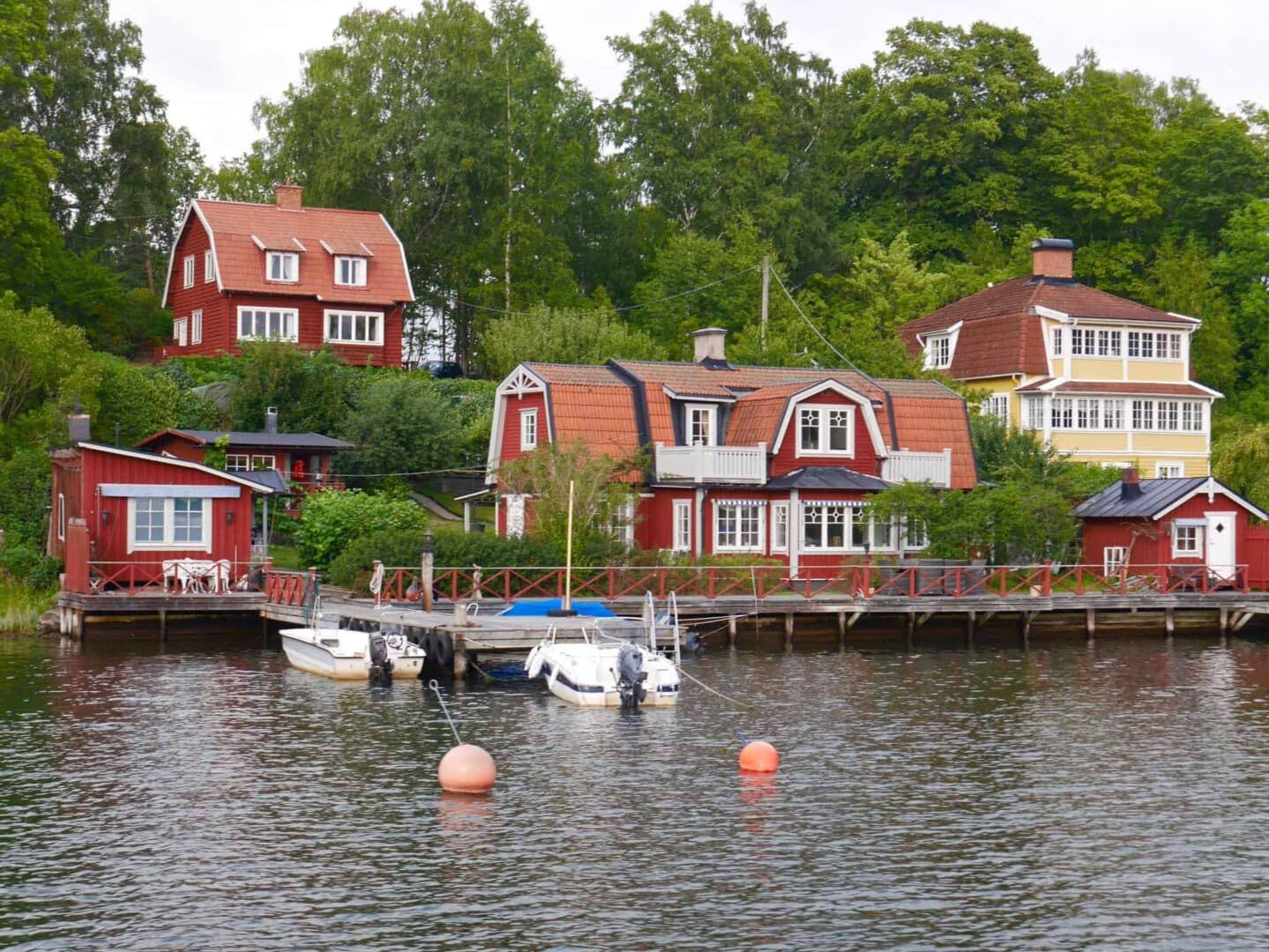
2. Sweden
Sweden scores just behind Switzerland on our health metric. Tax-funded universal coverage and dense primary-care networks mean most residents do not run a parallel private plan for basic needs.
Best for: families who want predictable public access once they have a personnummer and address. English works in Stockholm and university towns; less so in every rural vårdcentral.
Watch out: housing queues in hot cities, winter light, and the gap between "eligible for care" and "comfortable in Swedish admin." Remote workers need a legal stay category that actually leads to registration.

3. Japan
Japan blends high life expectancy with neighborhood clinics that handle everyday issues before you ever see a hospital director. That density is why movers with kids or chronic maintenance needs often prefer it to "great care, but only in the capital."
Best for: long-stay workers and families who will register locally and learn basic clinic routines. Urban Japan is where English support is easiest to find.
Watch out: language outside major metros, and the 70/30 co-pay model on national health insurance once you are in the system. Visa category still matters: tourist status is not a healthcare plan.
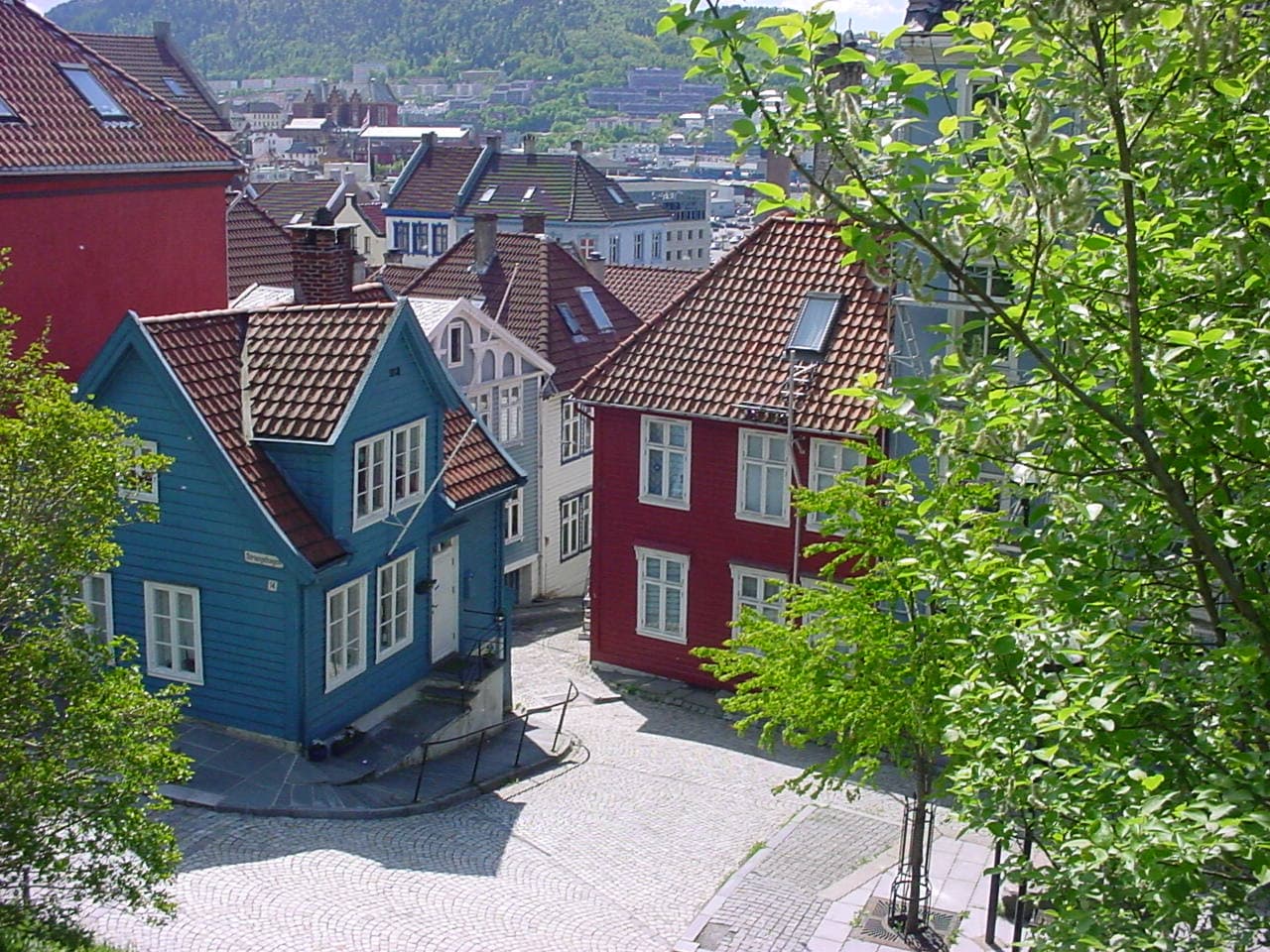
4. Norway
Norway matches Japan on our healthcare score. High public spending and rural clinic networks keep care from collapsing into "Oslo only" access, which matters if you picture fjord towns rather than a capital apartment.
Best for: movers who want Nordic standards and can handle high living costs. Strong fit for families once residency and registration are sorted.
Watch out: housing in Bergen and Stavanger, weather, and the usual Nordic rule: benefits follow legal residence, not optimism. Check Norway's country profile against your visa lane before you ship skis.

5. Germany
Germany is the "forms first, care later" pick. Public and private insurance paths exist side by side, specialist networks are deep, and complex treatment routes are easier to navigate after you are correctly insured and registered.
Best for: skilled hires, families, and anyone who treats Anmeldung and insurance choice as week-one tasks, not month-six surprises.
Watch out: mandatory coverage from day one of work, childcare queues in Munich or Hamburg, and English fading in smaller Länder offices. Freelancers face tougher income tests than salaried Blue Card paths.

6. Finland
Finland ties Germany on our health score. Universal coverage, strong outcomes, and a calmer social pace than the largest Nordic capitals make it attractive for movers who want care quality without Zurich-level premiums.
Best for: remote workers and families who accept dark winters in exchange for stability. Helsinki-scale English is workable; interior towns need more Finnish patience.
Watch out: rent in Helsinki, cold-season morale, and residence paperwork before you assume Kela-style benefits. Pair this pick with Finland vs Sweden if you are stuck between two Nordic finalists.

7. Singapore
Singapore scores slightly below the European leaders but still beats most of the catalog. Care is fast, facilities are modern, and the city is built around expat labor, which shows up in English-friendly private lanes.
Best for: professionals on employment passes who want Asia base with predictable clinics. Strong option if you need speed more than a welfare-state narrative.
Watch out: MediSave and insurance are not optional philosophy. Costs can spike without the right plan. Permanent residency is a separate game from "great hospital on Orchard Road."

8. Netherlands
The Netherlands rounds out the list because everyday care access is strong once you are insured and registered, even if Amsterdam rent tries to ruin the mood. GPs act as gatekeepers, which frustrates Americans until they realize it also kills random ER abuse.
Best for: EU and skilled movers who already solved housing. English carries you through a lot of medical admin in Randstad cities.
Watch out: mandatory insurance, housing competition, and the difference between "good national system" and "easy first appointment this week." Netherlands vs Germany helps if your job could land in either country.
What strong healthcare does not solve
Even top-scoring countries will not fix:
- Pre-existing condition underwriting on private plans
- The months before residency registration when you may need travel or expat insurance
- Dental and vision, which are often partially excluded or separately priced
- Mental health access, which can lag physical care in otherwise strong systems
That is why we publish the full table, not just a highlight reel. Scan Best Countries for Healthcare for movers who prioritize clinics over nightlife. Cross-check quality of life if you need safety and infrastructure in the same view.
Quick picks by mover type
| If you are… | Start with… | Because… |
|---|---|---|
| Retiring in Europe | Switzerland, Spain, Portugal | Strong care plus clearer retiree routes (Spain/Portugal) vs peak facilities (Switzerland) |
| Moving with kids | Sweden, Germany, Netherlands | Public networks and predictable pediatric paths once registered |
| Working remotely in Asia | Japan, Singapore | Clinic density (Japan) vs expat-speed private care (Singapore) |
| Budget-sensitive but care-conscious | Finland, Germany | Nordic or dual-track public systems without Swiss premium bands |
Tables are a starting point. Your visa, city, and language still decide the real experience.
Before you book the one-way flight
Healthcare follows legal residence, not vibes. Read the insurance rules on each country page, confirm your residence pathway, and compare two finalists on Compare before you treat a ranking row as a promise.
Rules, premiums, and waitlists change. Verify official immigration and insurer requirements before you give notice at work.
If you want the entire catalog sorted by health scores, not just these eight, open the healthcare ranking and work down from there.
Comments on Countries with the Best Healthcare in 2026 (For People Who Actually Live There)
Loading comments…
Share your experience

About the author
Noah Walker
Editorial writer for Country To Live, covering relocation research, visas, taxes, and quality-of-life comparisons.