Arrival Day: Bali (Ngurah Rai / DPS to the south)
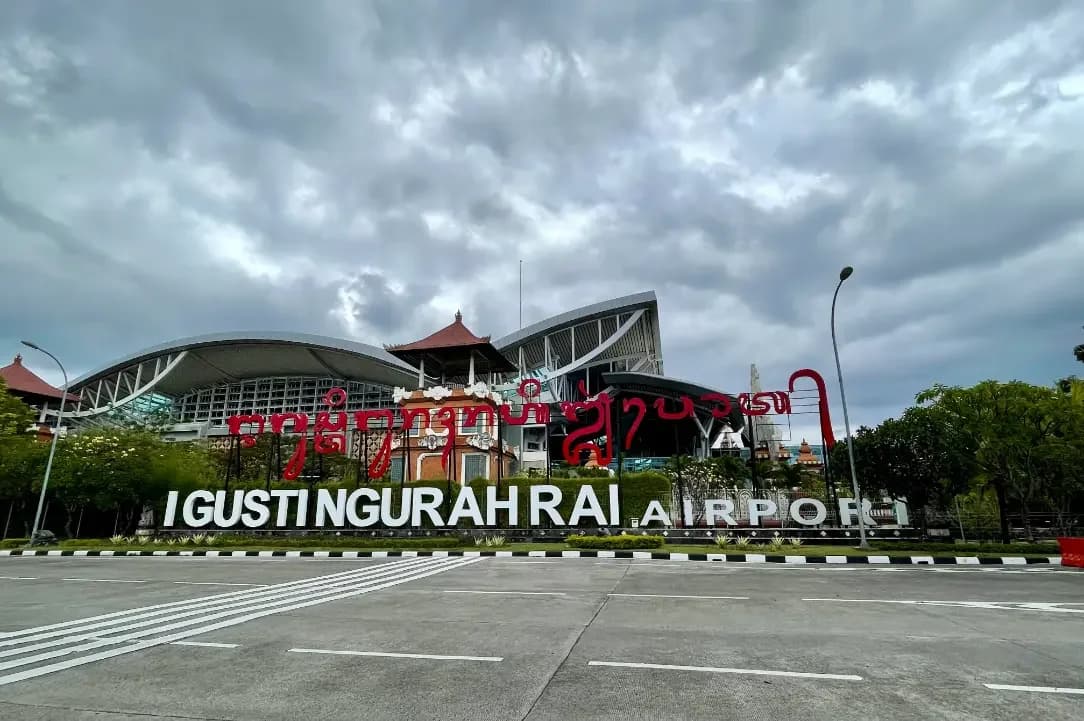
The aircraft door opens and Bali humidity finds you before the palm photos do.
Warm air, jet fuel, and a low roar of scooters somewhere beyond the terminal. You are in Tuban, at I Gusti Ngurah Rai International Airport (DPS), the island's main international gate. This Arrival Day walkthrough is for a first visit: the forms, the cash, the phone line, and the ride toward Seminyak, Canggu, or Ubud, scored for how hard each step feels when you are tired.
If you are testing Bali as a longer base, these hours matter. They show how much of daily life still runs on apps, rupiah notes, and traffic patience before you ever talk about visas or villas.
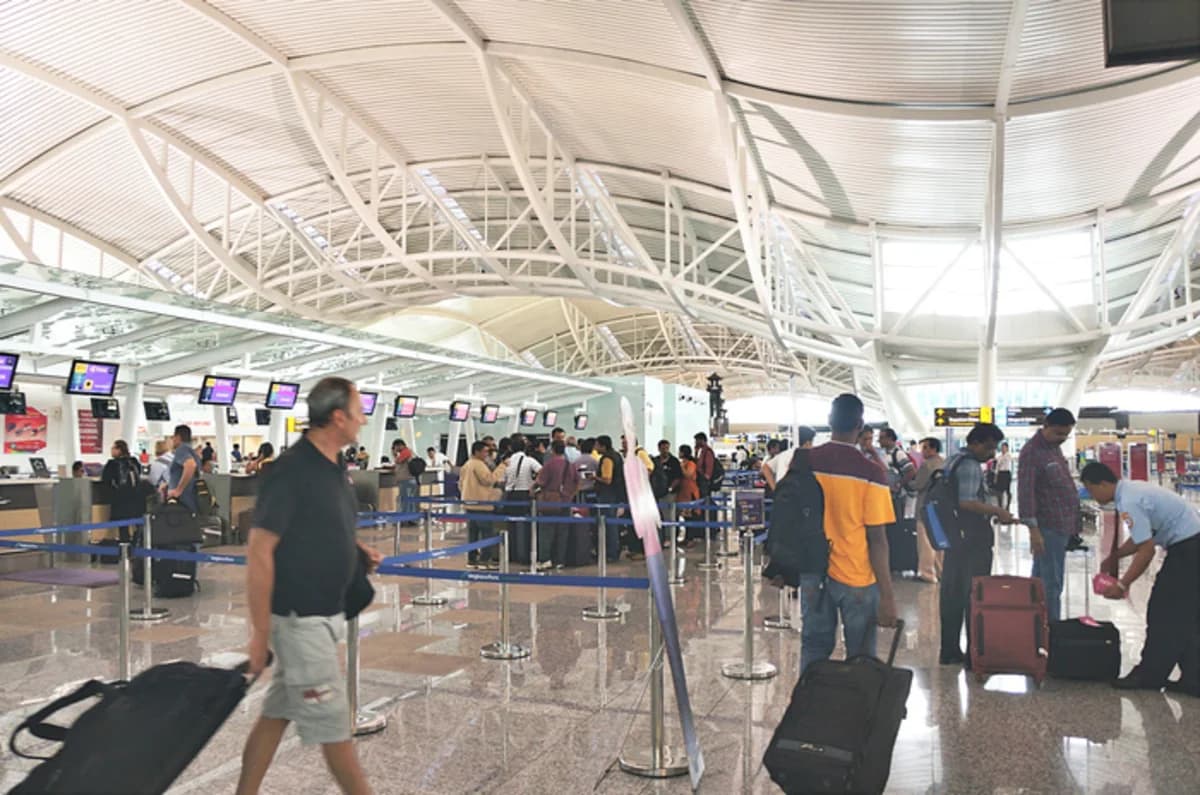
How to read the scores
Each step gets a difficulty from 1 to 5: Quiet, Manageable, Attention, Draining, Hard day. The score is about jet-lagged friction, not how pretty the island looks online.
Land, e-VOA, bags, and the levy check
Most visitors still need a Visa on Arrival. Paying online as an e-VOA through the official immigration site before you fly usually lets you use the automated e-gates with an electronic passport. Buying VoA at the counters means an extra payment queue first. Families with young children and many VoA-at-airport cases still use the staffed desks.
Since September 2025, arrivals also complete the free All Indonesia digital declaration (immigration, customs, health) and save the QR code, often up to three days ahead. Bali's tourist levy (about IDR 150,000) is easiest paid online through the Love Bali portal before you land; officers may ask for the voucher, and counters exist if you skipped it. Bags, a trolley, and a calm walk past the name-board crowd come after. Drink water. Decline the first unofficial taxi offer inside the hall.
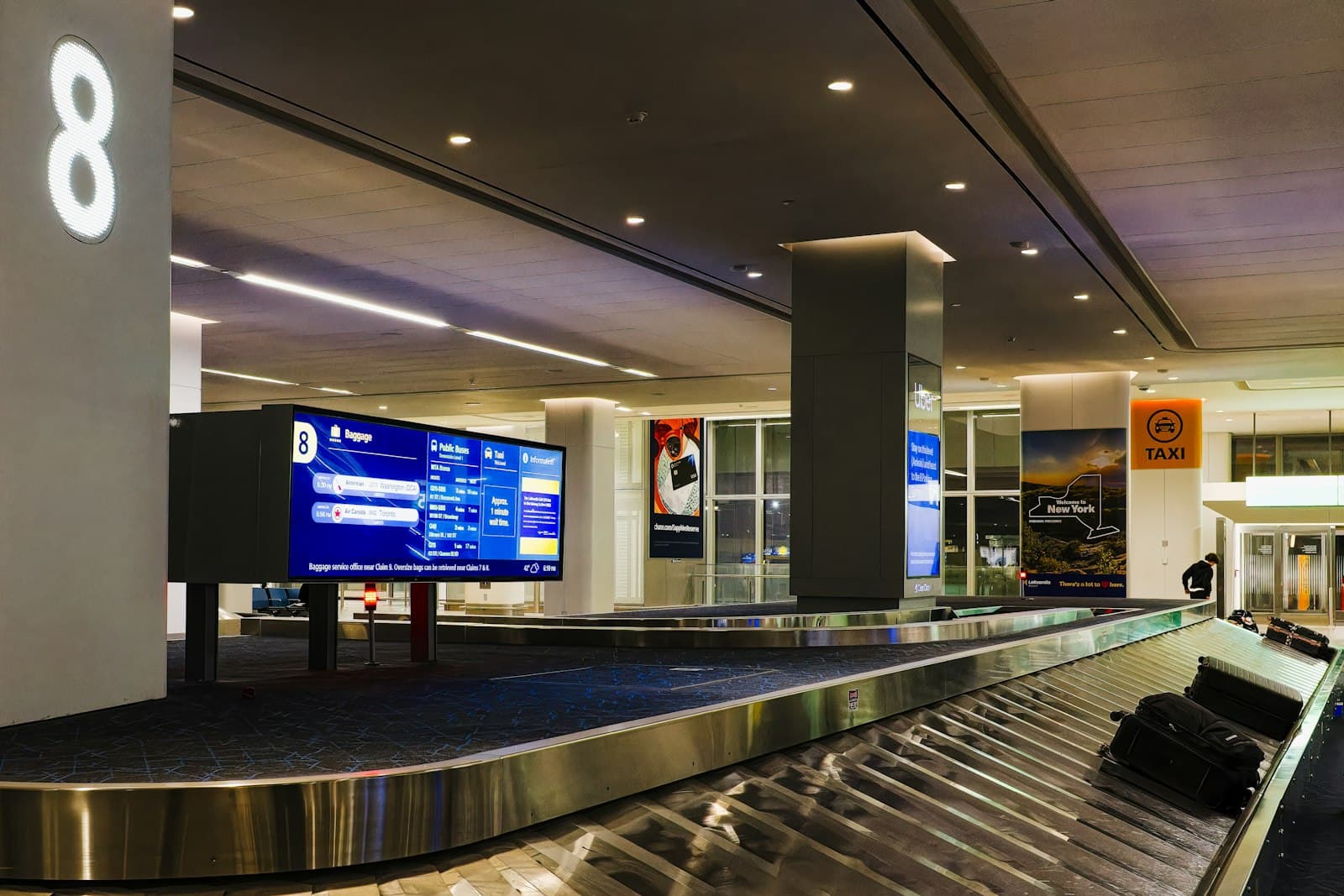
Get a little rupiah at a bank ATM
Look for a bank ATM (BCA, Mandiri, BNI, BRI) rather than the loudest money changer. Withdraw enough for a SIM top-up, a snack, and a small driver buffer. Airport limits and fees are often higher than town machines, so keep the first draw modest. Decline dynamic currency conversion if the screen offers your home currency.
Rupiah notes look large. Count zeros twice, then put the cash away. Cards work in many south Bali cafes, yet small warungs and tips still like notes.
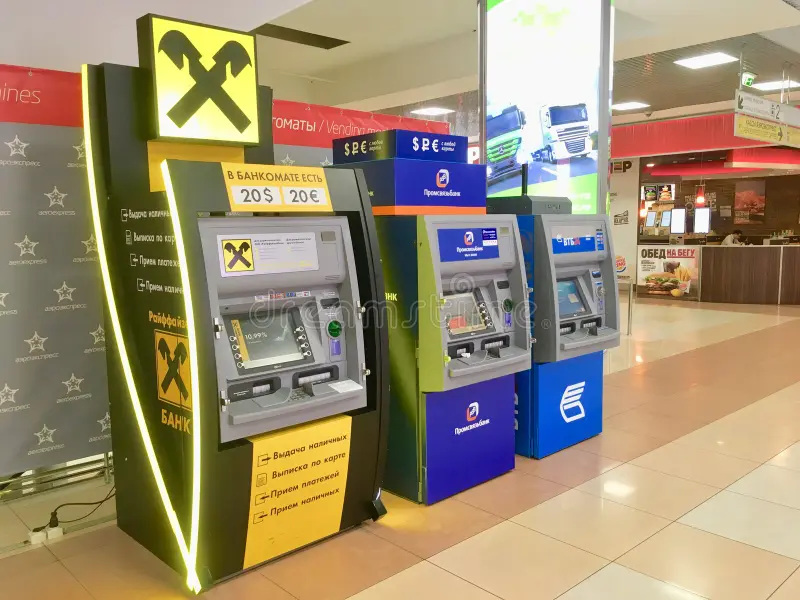
Buy a tourist SIM (or land with an eSIM)
Telkomsel, XL, and other desks sit in arrivals. Passport registration is required. Airport tourist packs work, yet prices often sit above what you would pay later in Kuta or Seminyak. Ask for a short data plan that covers maps and Grab for your first week, and test a call or data before you leave the counter.
If you prefer data before you land, an eSIM for your first week is an option; airport desks still work if you wait. Activate on lounge or airplane wifi when you can. Overnight arrivals can find desks closed or long, so the eSIM backup matters on Bali the same way it does elsewhere in Southeast Asia.
Ride out: Grab lounge, official taxi, or a pre-booked car
This is the draining logistics step. App drivers generally cannot collect you on the arrivals curb. Follow signs to the marked Grab and Gojek pickup lounges or parking area, then book in the app with your hotel pin set carefully. Confirm the plate before you load bags. Kuta can be 10 to 20 minutes. Seminyak often stretches longer. Canggu and Ubud can take an hour or more when traffic stacks on the southern roads.
The official airport taxi counter sells fixed-price tickets by zone and is the calm backup if data fails. Avoid touts inventing prices at the exit. If you would rather skip the lounge walk after a long flight, especially with late bags or a long hop to Ubud or Canggu, a pre-booked airport transfer is an option.
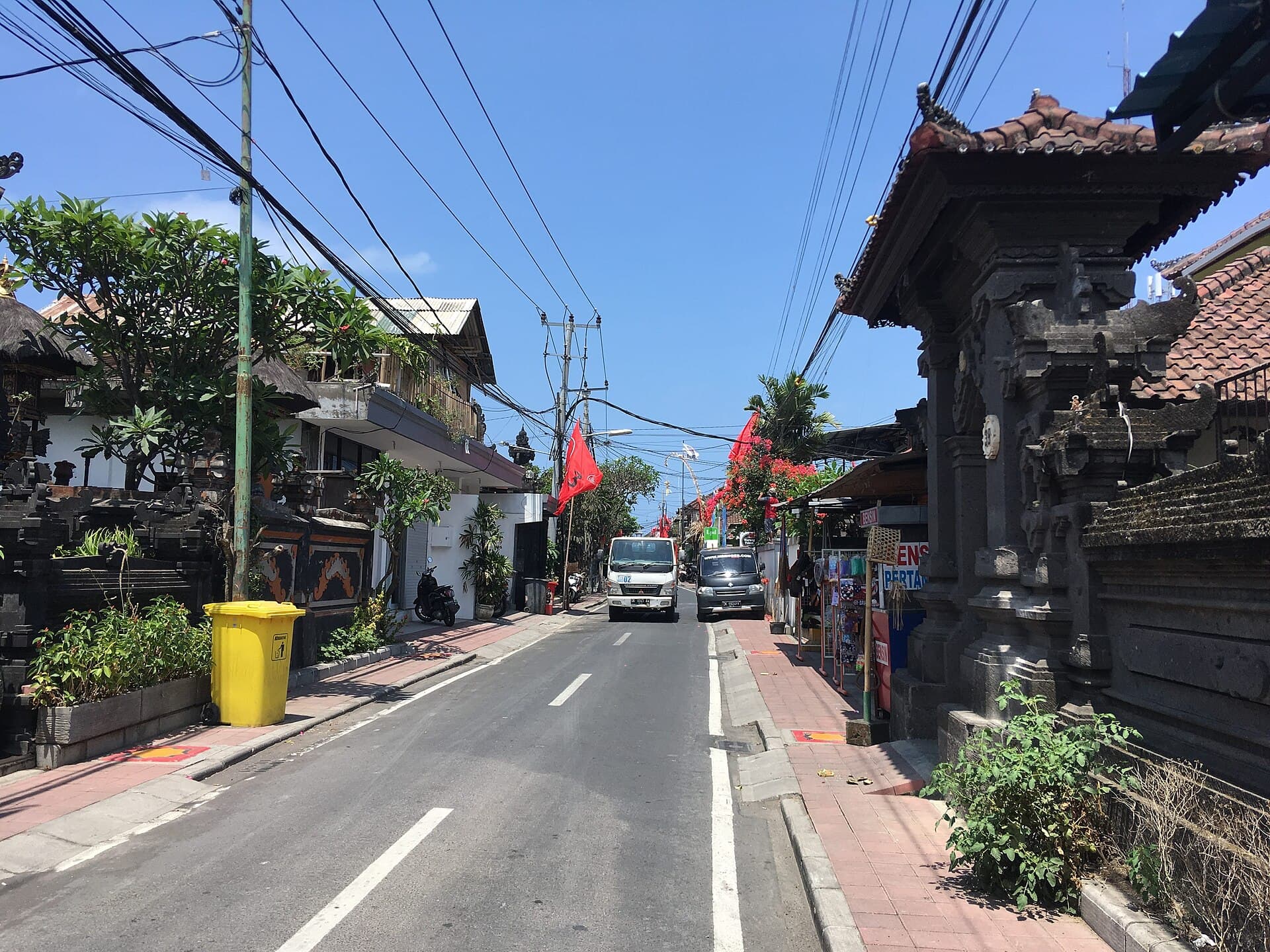
First stretch into south Bali
Humidity sits on your arms the moment you leave airport air-conditioning. Scooters fill every gap. Your job is the villa address, a working chat thread with the host, and a quiet “terima kasih” if the driver helps with bags.
Check-in is usually the softest part of the night if you booked somewhere used to late arrivals. Eat something simple near the room. Save the beach club and temple circuit for morning light. The island will still be there tomorrow.
Score summary
| Step | Difficulty Score | Label |
|---|---|---|
| Land, immigration, bags, and levy | 4 | Draining |
| Rupiah at the airport ATM | 2 | Manageable |
| Tourist SIM / eSIM | 3 | Attention |
| Leave DPS (Grab / taxi / transfer) | 4 | Draining |
| First stretch into south Bali | 3 | Attention |
Nothing here needs to be a Hard day if the e-VOA, All Indonesia QR, and Love Bali levy are done before you fly. The Draining steps are the admin stack on landing and the ride-hail pickup layout, not Bali itself.
If you stayed
Tourist hour zero is a preview of Bali life: apps, rupiah, scooter traffic, and WhatsApp hosts decide more than rice-terrace photos. Grab or a trusted driver becomes a weekly habit. A local number stops feeling optional once OTPs, deliveries, and villa chats pile up. Heat and slow roads stay in the picture after week one.
For neighborhood rhythm after the airport glow fades, read Living in Bali and Living in Canggu. Cost context sits in Bali cost of living. If you are still comparing this gateway with Bangkok or Saigon, the earlier Arrival Day in Thailand and Arrival Day in Vietnam use the same scores. For a wider shortlist, open Thailand vs Vietnam vs Indonesia.
Comments on Arrival Day: Bali (Ngurah Rai / DPS to the south)
Loading comments…
Share your experience

About the author
Sarah G.
Field-notes writer for Country To Live. She covers how places feel after the first month: weather, walkability, quiet costs, and the small habits that make a city livable.