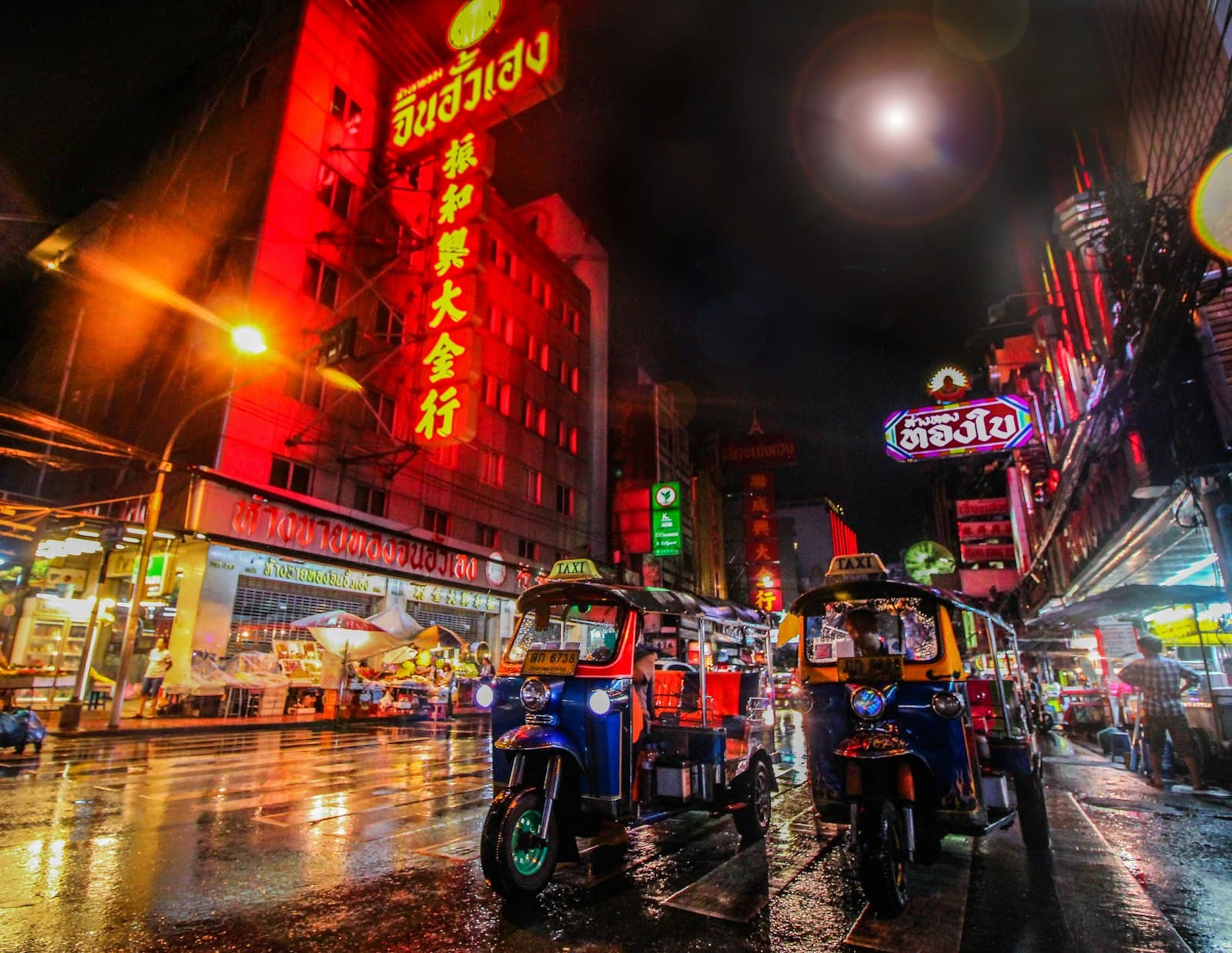
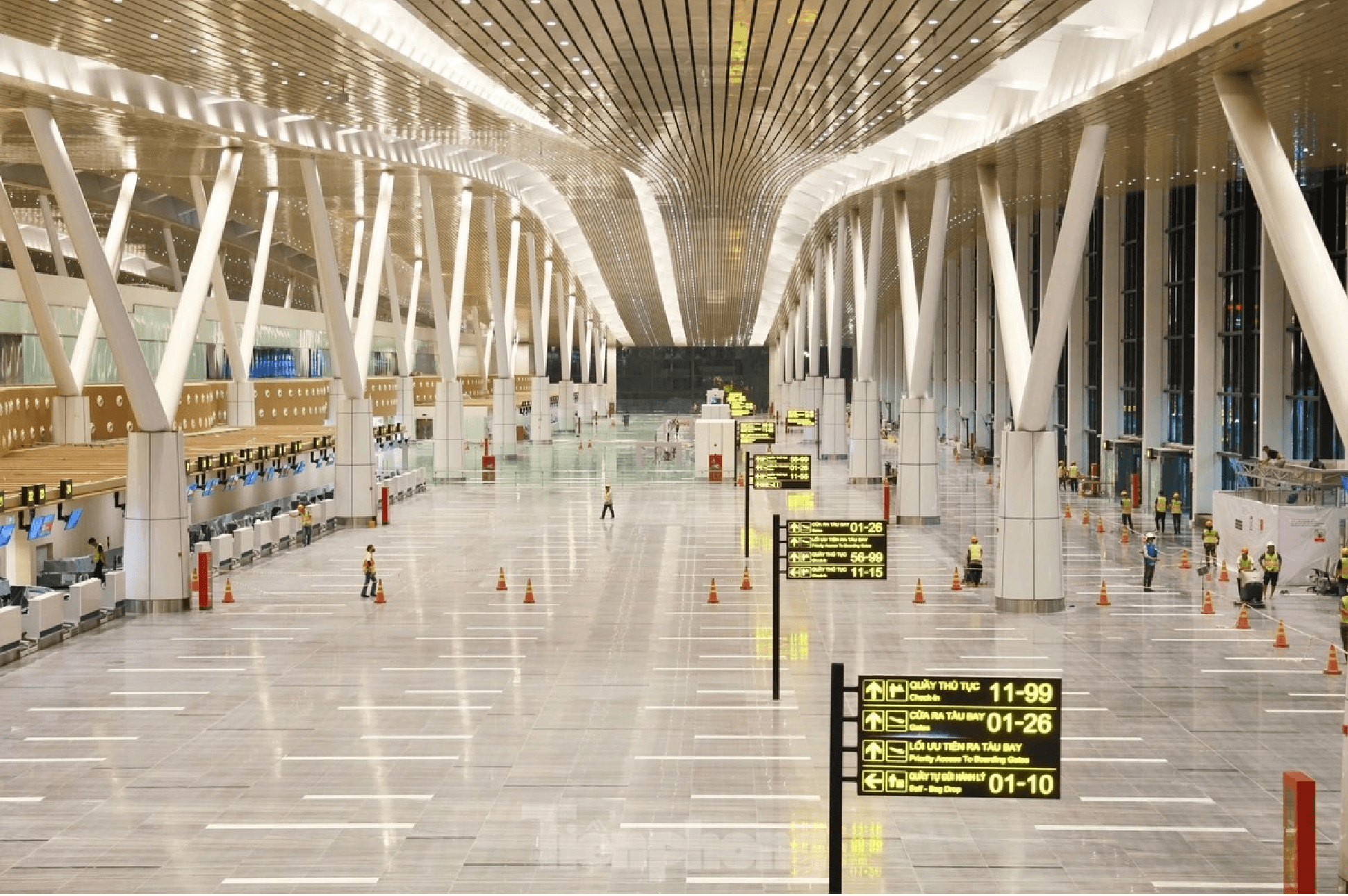
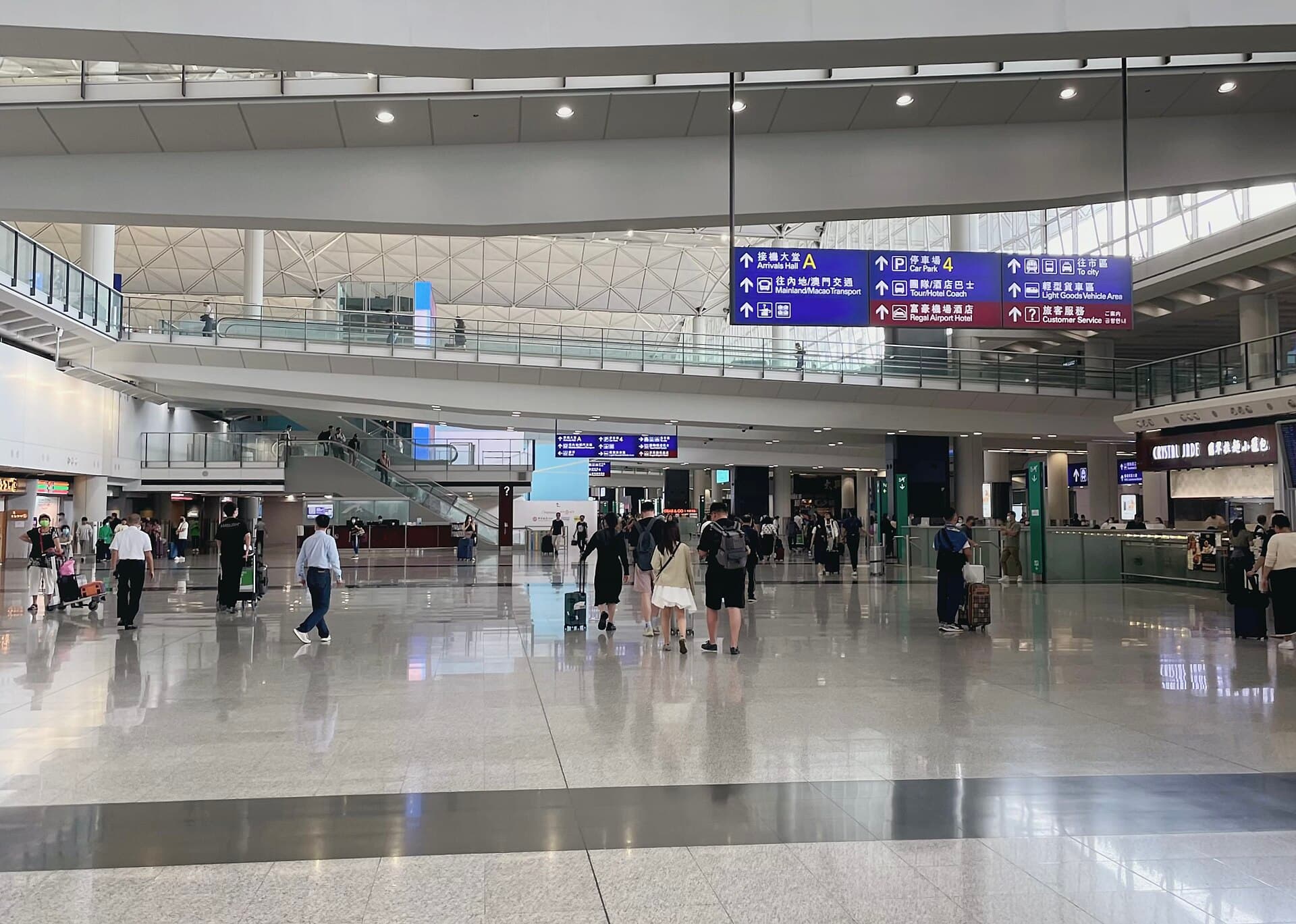
Arrival Day: Thailand (Suvarnabhumi to the city)
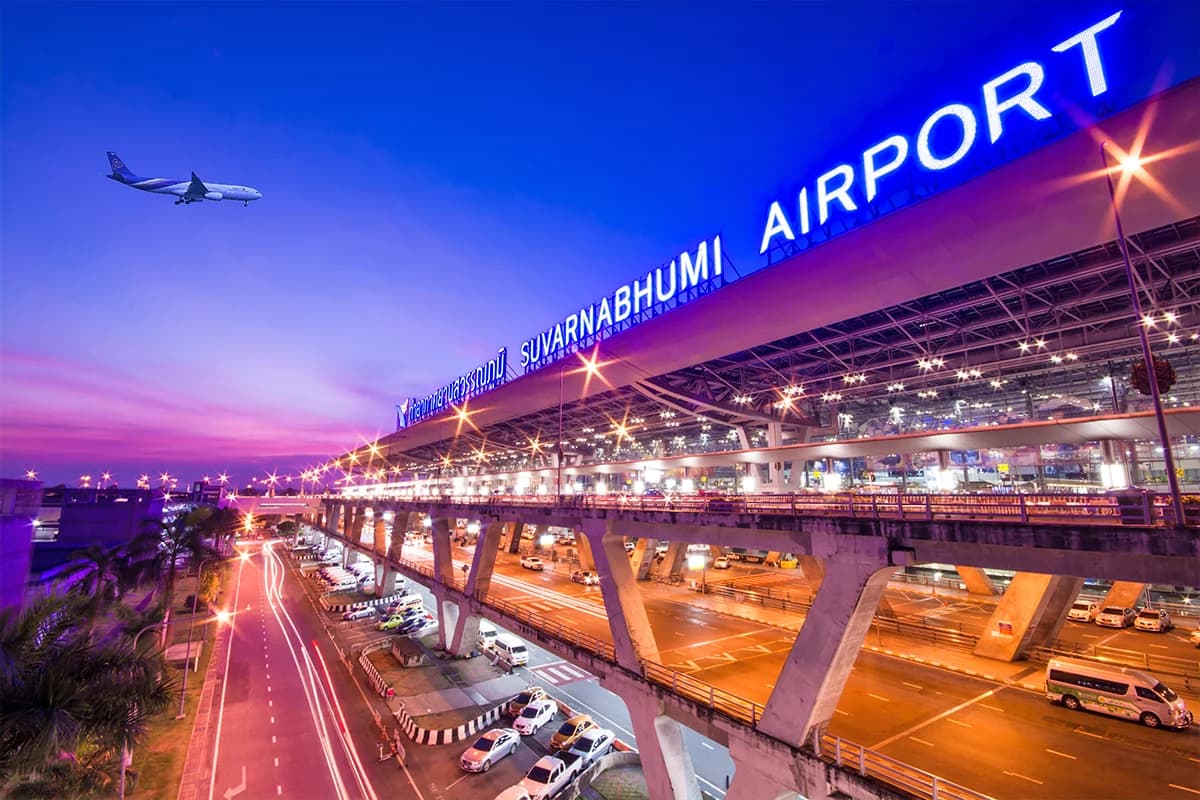
The aircraft door opens and Bangkok air arrives first.
Warm, a little damp, and suddenly you are moving with a crowd that already knows which way is out. This Arrival Day walkthrough is not a packing list. It is the first few hours after landing at Suvarnabhumi: cash, a phone line, and a ride into the city, scored for how hard each step feels when you are tired.
If you are weighing Thailand as a place to live, these hours matter. They show how fast ordinary logistics settle before you ever talk about visas or rent.
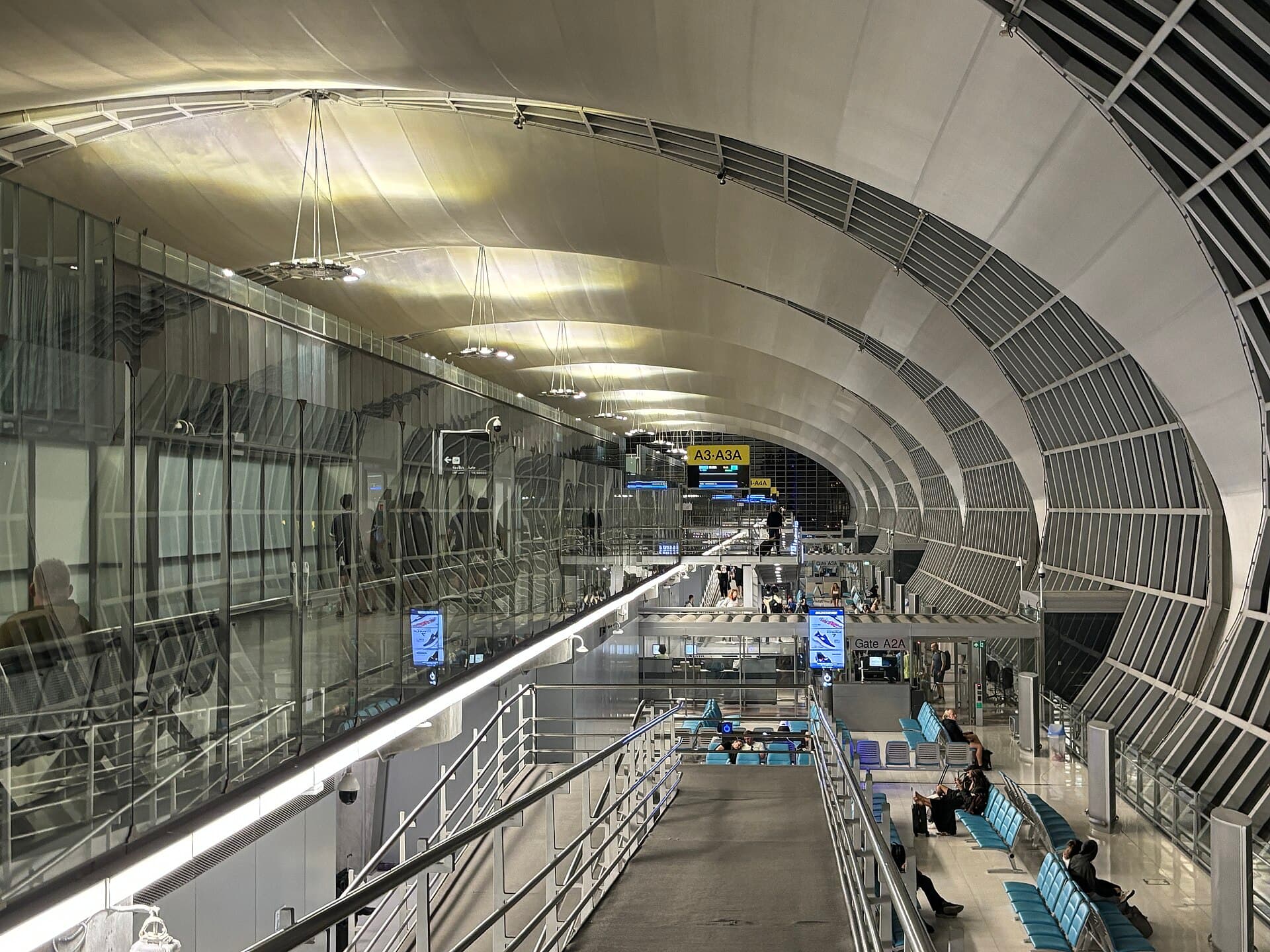
How to read the scores
Each step gets a difficulty from 1 to 5: Quiet, Manageable, Attention, Draining, Hard day. The score is about jet-lagged friction, not how exciting Bangkok feels.
Land, immigration, and bags
Follow the arrival arrows and keep your landing card answers simple. Immigration lines move in waves. Bags usually appear without drama if your flight is on time.
The hard part is not the stamp. It is staying patient while your body still thinks it is yesterday. Drink water, find a trolley, and do not fight the crowd for the first exit you see.
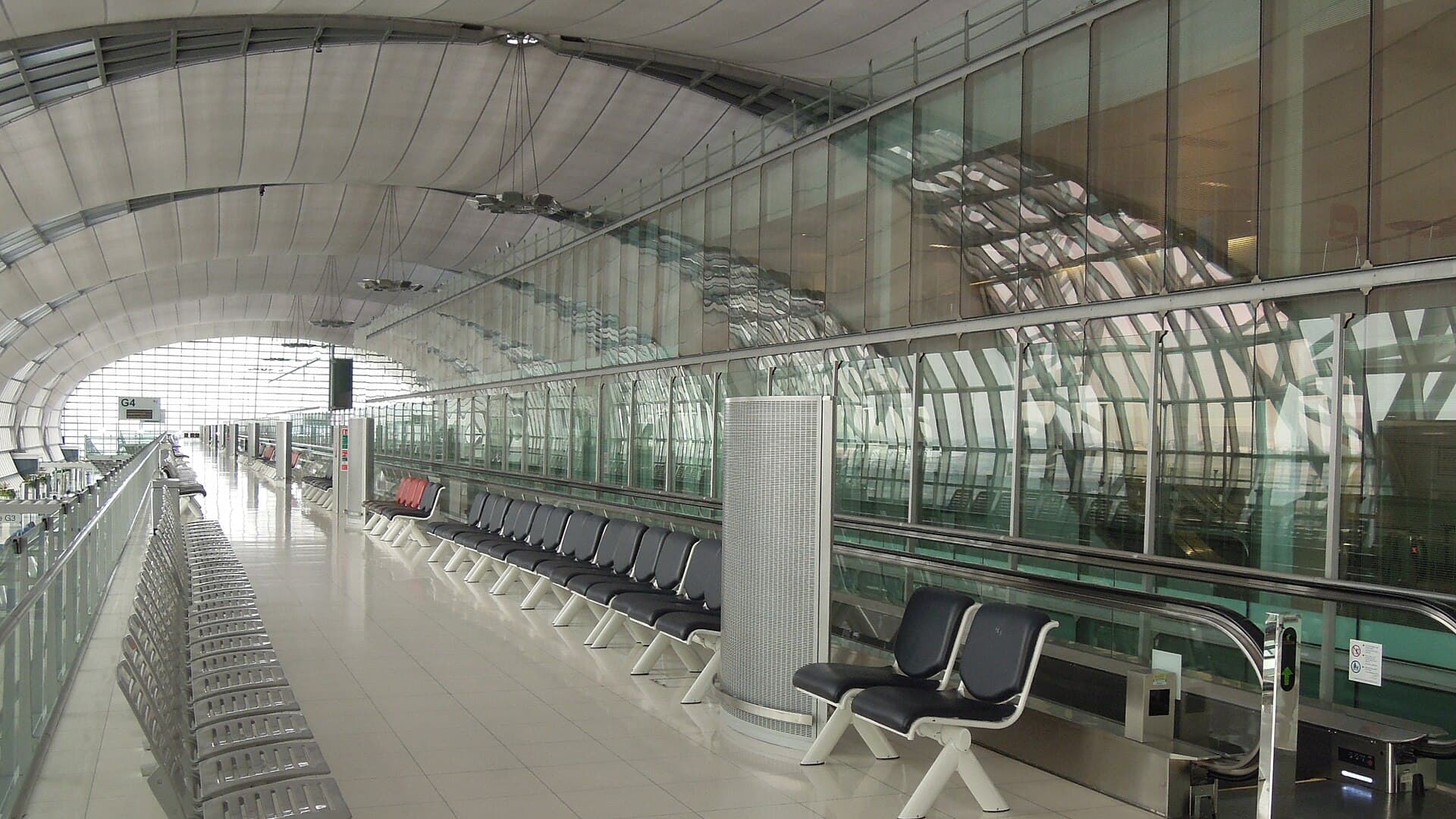
Get a little baht at the airport ATM
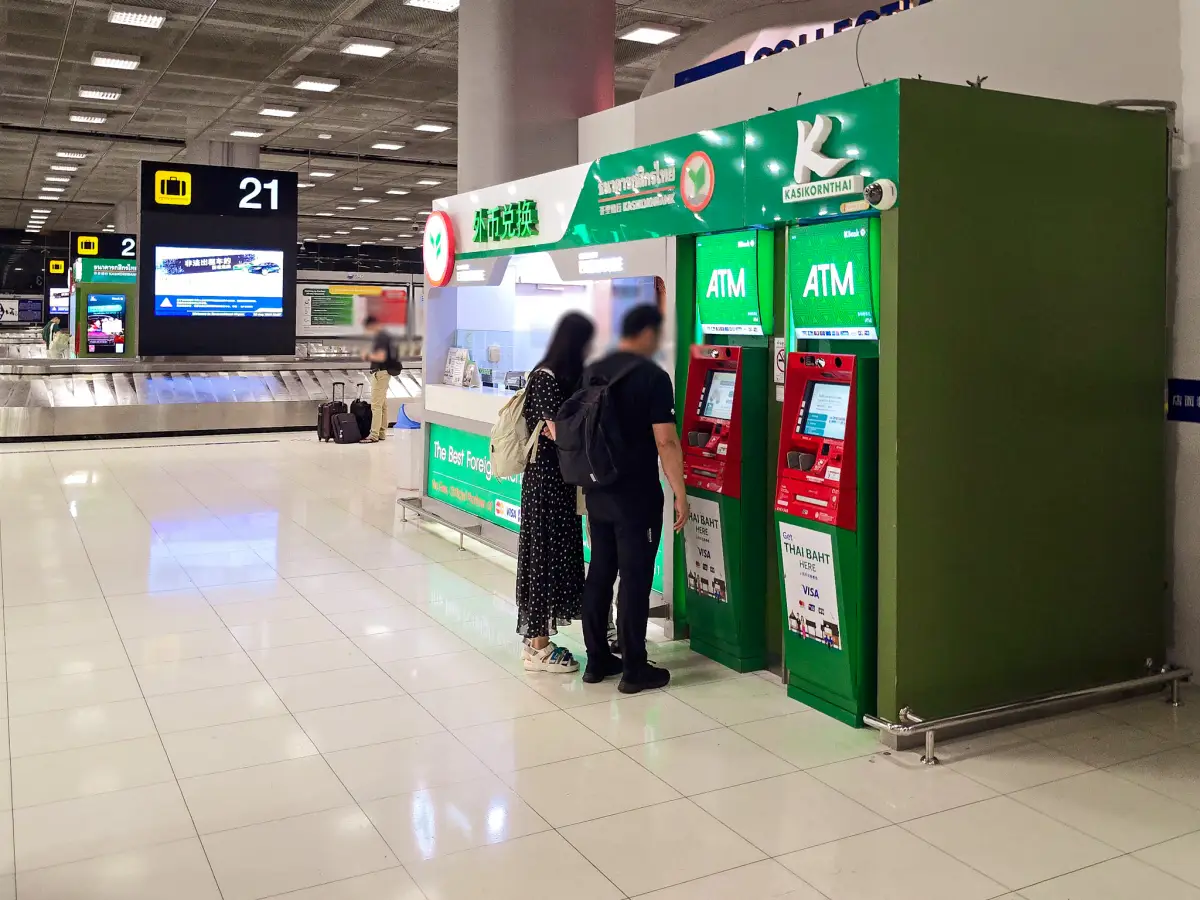
After bags, look for bank ATMs rather than the flashiest exchange booth. Withdraw enough for a SIM, a snack, and a buffer. Airport fees are often higher than city machines, so keep the first withdrawal modest.
You want enough cash to move. You do not need a month of baht in your pocket yet.
Buy a tourist SIM (or set up an eSIM)
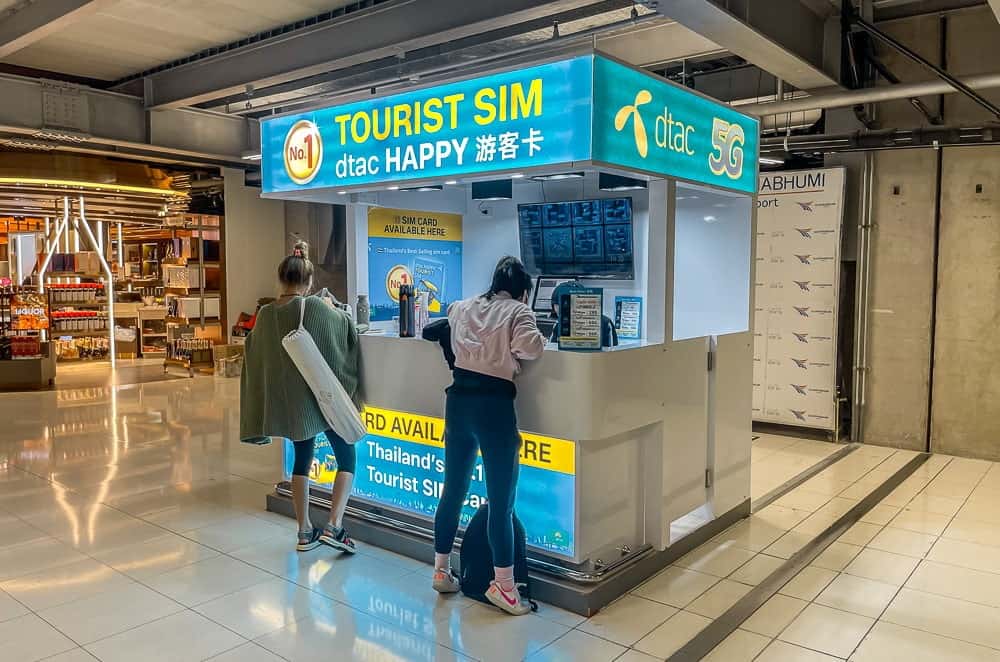
Phone desks sit near arrivals. Staff are used to tourists. Have your passport ready and ask for a short tourist plan with data that covers your first week.
If you prefer data before you land, an eSIM for your first week is an option; airport desks still work if you wait. Activate on airport wifi before you leave the building either way. The Attention score is mostly decision fatigue plus the urge to overbuy data you will not use.
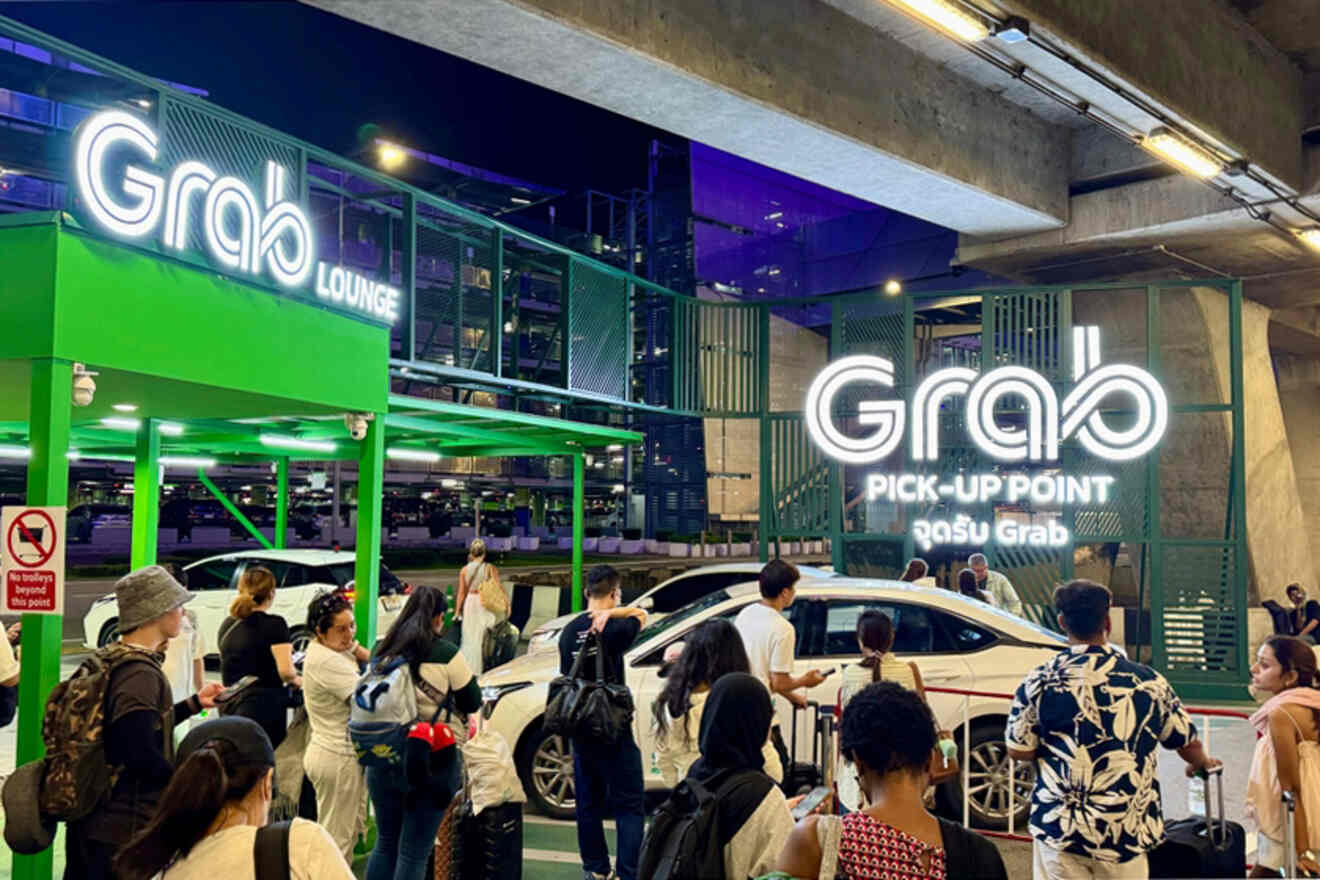
Call Grab from the airport
With data working, open Grab and set your hotel or first address carefully. Follow the pickup signs for ride-hailing. Suvarnabhumi uses marked zones; wandering the curb with a suitcase is how the Manageable score creeps up.
Confirm the plate, get in, and let the driver handle the expressway. Your job is the destination pin and a calm “sawasdee.”
Score summary
| Step | Score | Label |
|---|---|---|
| Land, immigration, and bags | 2 | Manageable |
| Baht at the airport ATM | 3 | Attention |
| Tourist SIM / eSIM | 3 | Attention |
| Grab to the city | 2 | Manageable |
Nothing here is a Hard day for most travelers. The Attention steps are the ones where fees and product choices show up while you are still foggy.
If you stayed
Tourist hour zero is a preview of Bangkok life: apps, baht, and air-conditioning decide more than postcard temples. Grab becomes a weekly habit. ATMs and PromptPay matter more than suitcase cash. A local number stops feeling optional once deliveries and bookings pile up.
For monthly numbers after the airport glow fades, read Living in Bangkok in 2026: Real Monthly Costs in USD. For country-level scores and trade-offs, start on the Thailand page.
Comments on Arrival Day: Thailand (Suvarnabhumi to the city)
Loading comments…
Share your experience

About the author
Sarah G.
Field-notes writer for Country To Live. She covers how places feel after the first month: weather, walkability, quiet costs, and the small habits that make a city livable.