Arrival Day: Hong Kong (Chek Lap Kok to the city)
The cabin lights come up and the air outside is already warmer than the plane.
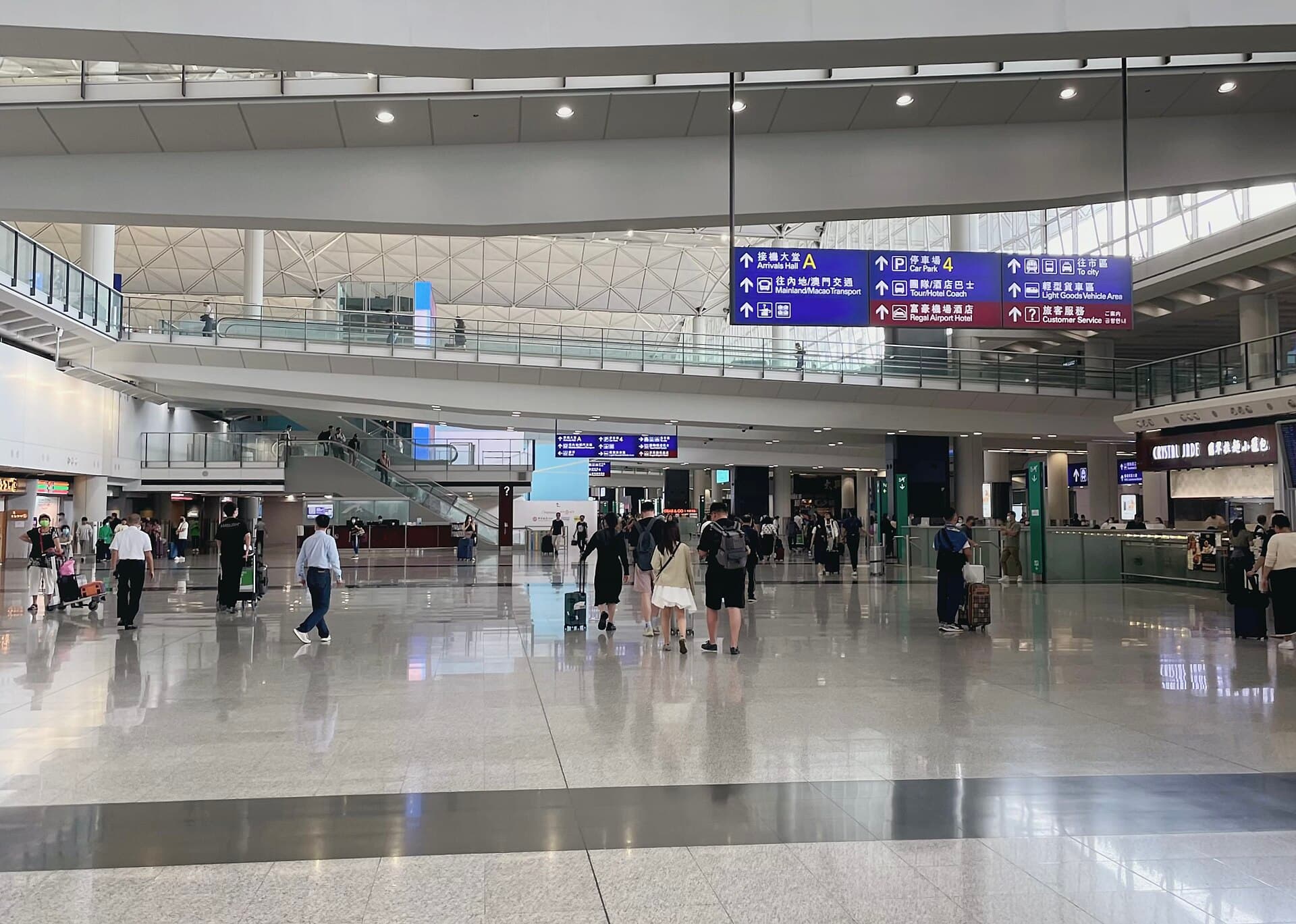
Chek Lap Kok is a long, bright terminal, not a scramble. This Arrival Day walkthrough is the first few hours after landing at Hong Kong International Airport: immigration, a little cash, an Octopus card, and the train into town. Each step is scored for how hard it feels when you are tired.
If you are weighing Hong Kong as a place to live, these hours are a preview. Signs are clear. Space is tight once you leave the airport. The city starts to feel small the moment the suitcase hits a station exit.
How to read the scores
Each step gets a difficulty from 1 to 5: Quiet, Manageable, Attention, Draining, Hard day. The score is about jet-lagged friction, not how polished the skyline looks.
Land, immigration, and bags
International arrivals use Terminal 1. Follow the visitor signs. Most short-stay travelers still use the staffed counters. Skip the resident e-Channel unless you already know you are enrolled.
The hall is calm compared with many big Asian airports. The friction is distance. You walk, you wait, you walk again to the belts. Grab a trolley before the bags. Drink water. Do not stop for the first person offering a car inside the hall.
Buy an Octopus and a little cash
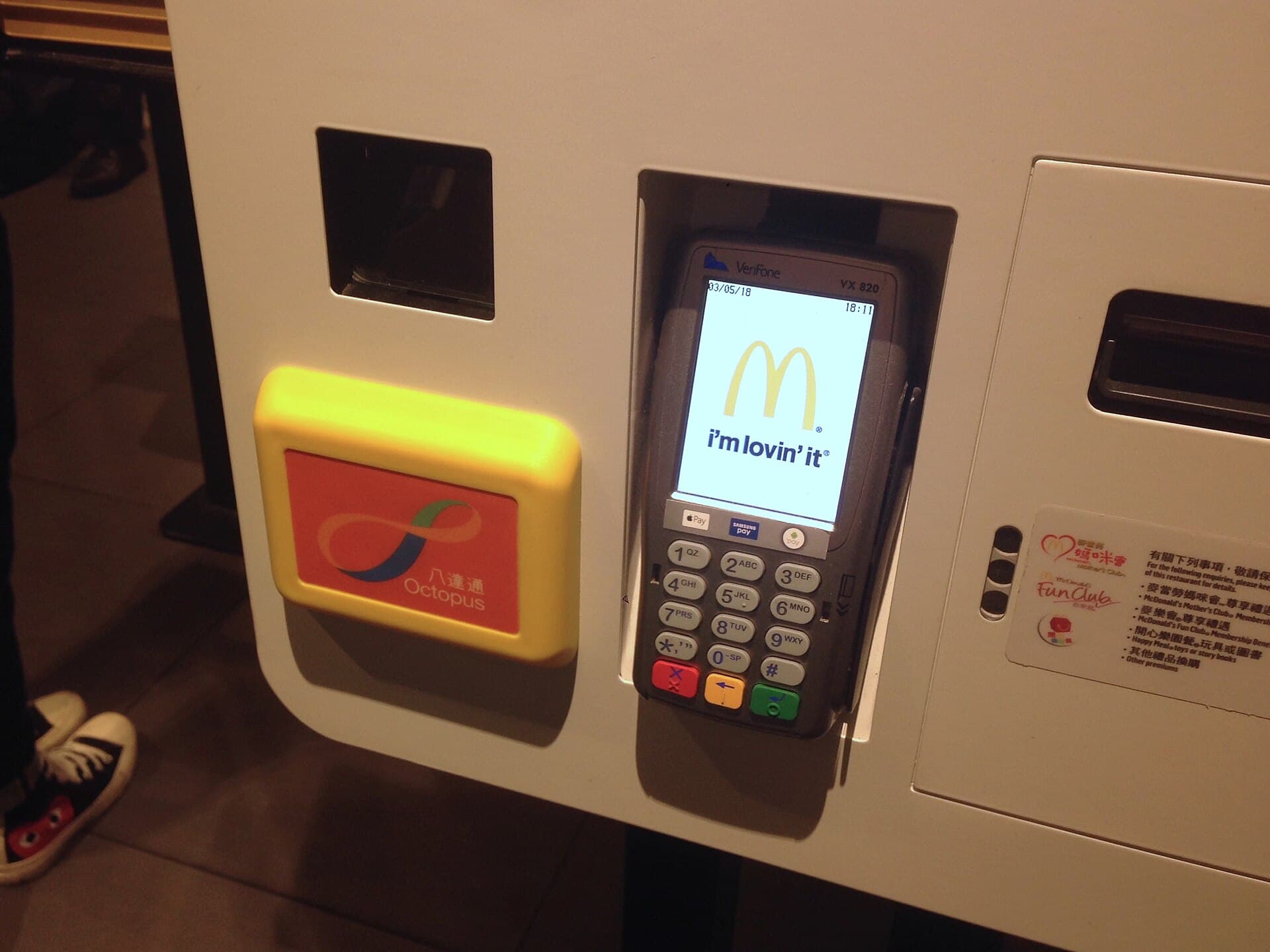
After baggage, look for an MTR or Octopus counter, or a selling machine, before you hunt for a taxi rank. A sold Tourist Octopus for an adult is listed at about HK$170. That price includes a non-refundable card cost and stored value you can actually spend. Confirm the current price on the board. There is also a version bundled with Airport Express rides if you want the train paid in one purchase.
Bank ATMs sit in the arrivals area if you want Hong Kong dollars in hand. A small withdrawal covers a snack and a buffer. Cards and contactless taps work widely in the city, so you do not need a thick wad of cash on night one.
Get data before the platform
Airport wifi is usually enough to message your hotel and open a map. A local line matters more once you are in the street, because station exits and building names multiply fast.
If you prefer data before you land, an eSIM for your first week is an option. Airport shops and convenience counters still sell tourist SIMs if you wait. We may earn a commission if you use this link. It does not change our scores. Activate on wifi before you leave the building. Have your passport ready if a desk has to register a physical SIM.
Ride the Airport Express
Follow the train signs down to Airport Station. This is the calm step. Trains run often through the day and into the late evening. An adult Octopus or contactless tap to Hong Kong Station is listed at about HK$120. Kowloon Station is a little less, about HK$105 on the same tap. A paper-style smart ticket costs a bit more. The same card often covers a same-day return. Read the fare board before you tap, because MTR updates prices.
Hong Kong Station puts you under the IFC mall, close to the Island core. Kowloon Station sits under Elements, which is the better stop for many Tsim Sha Tsui and Kowloon hotels. Pick the station nearest your bed, not the one that sounds more famous. In-town check-in is a departure trick. On arrival you only need the right exit.
The Airport Express itself does not make you change trains. It only stops at Tsing Yi, Kowloon, and Hong Kong Station. I still had a second train, because the hotel was not in that mall.
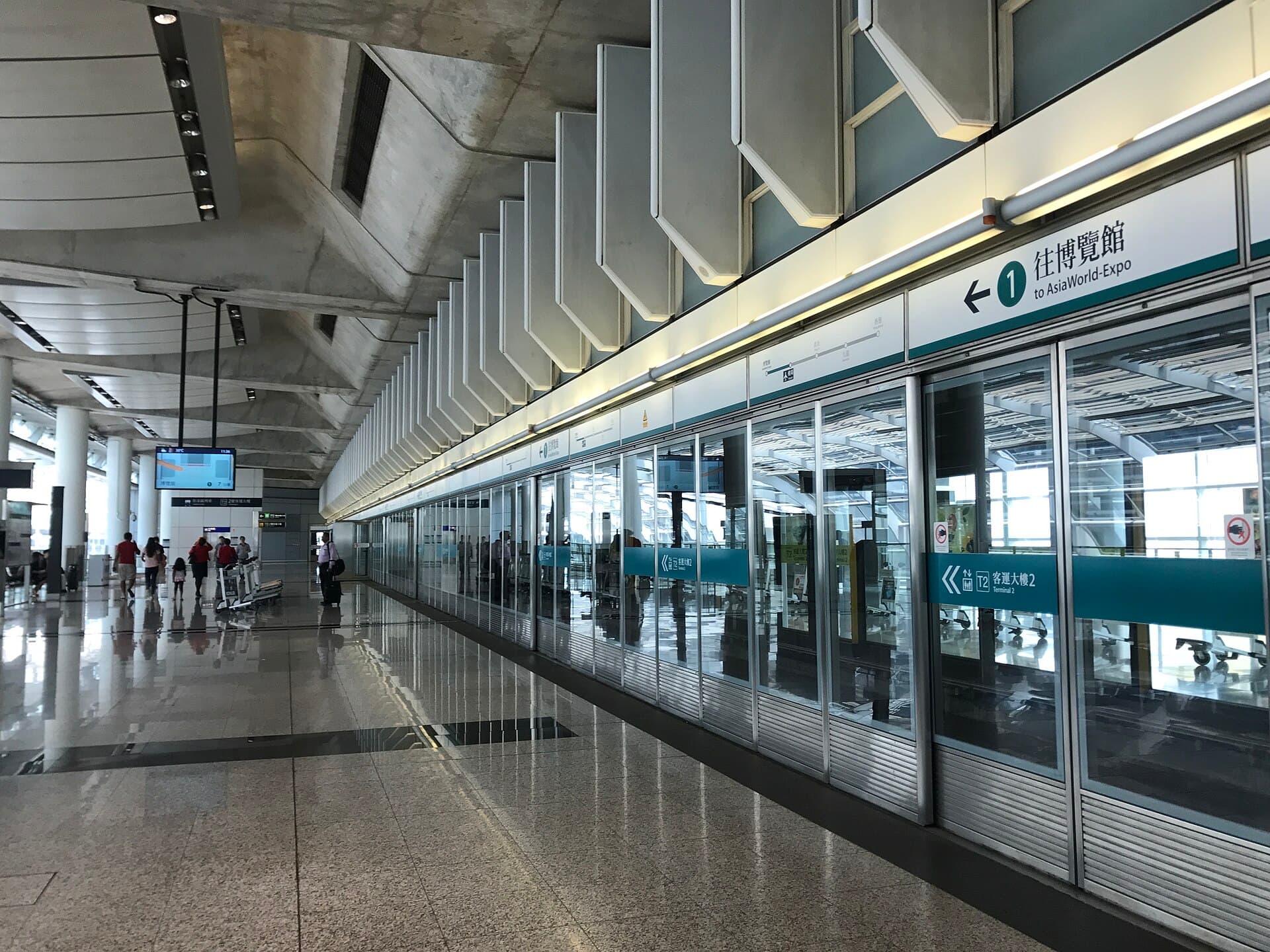
Change trains with the suitcase
This is the step the “24 minutes to Central” line leaves out. Same Octopus, another platform, a long passage. At Hong Kong Station the walk toward the regular MTR is the tiring part, not the ride you just finished. The next car is a normal train. Doors are busy. A suitcase takes a standing space and blocks people who are not jet-lagged.
If the bed is in the mall above Hong Kong or Kowloon station, you can skip the change and hunt for the exit letter. If it is further along the Island line, the Tsuen Wan line, or deeper into Kowloon, you cannot. The same card often covers that onward ride when you change at those Airport Express stations. Read the notice before you count on a free link. Rules sit on the board.
A metered taxi is the backup when the second train looks wrong, or the flight lands after the last Airport Express. Tolls and luggage add to the meter, and traffic, not kilometers, sets the time. Stay with the official rank.
The last block out of the station
The airport train is simple. The mall is not. Hong Kong Station and Kowloon Station both empty into large shopping levels. Your hotel may be one escalator and one wrong turn away. Use the exit letter from your booking, not a guess.
Humidity hits as soon as you leave the air-conditioning. Pavements are busy. If the walk with a suitcase looks wrong, take a short taxi from the station rank for the last few blocks. Eat something plain near the hotel. Save the harbor walk for morning.
Score summary
| Step | Score | Label |
|---|---|---|
| Land, immigration, and bags | 3 | Attention |
| Octopus and a little cash | 2 | Manageable |
| Phone data | 2 | Manageable |
| Airport Express | 2 | Manageable |
| Change trains with a suitcase | 3 | Attention |
| Last block out of the station | 3 | Attention |
Nothing here is a Hard day for most travelers. The Attention steps are immigration, the second train with a suitcase, and the mall after you get off. Cash and the Airport Express stay Manageable if you read the signs once.
If you stayed
Tourist hour zero is a fair preview of daily Hong Kong. The Octopus becomes rent, groceries, and the MTR. English on signs does not mean the queue, the wet market, or the group chat runs in English. Flats are small. Air-conditioning is a line item, not a luxury, once the humid months arrive.
For the neighborhoods after the airport glow fades, read Living on Hong Kong Island and Living in Kowloon. To test a monthly budget before you book a viewing, open the Cost of Living Calculator.
Comments on Arrival Day: Hong Kong (Chek Lap Kok to the city)
Loading comments…
Share your experience

About the author
Sarah G.
Field-notes writer for Country To Live. She covers how places feel after the first month: weather, walkability, quiet costs, and the small habits that make a city livable.