How to send money to Germany before you have a German bank account
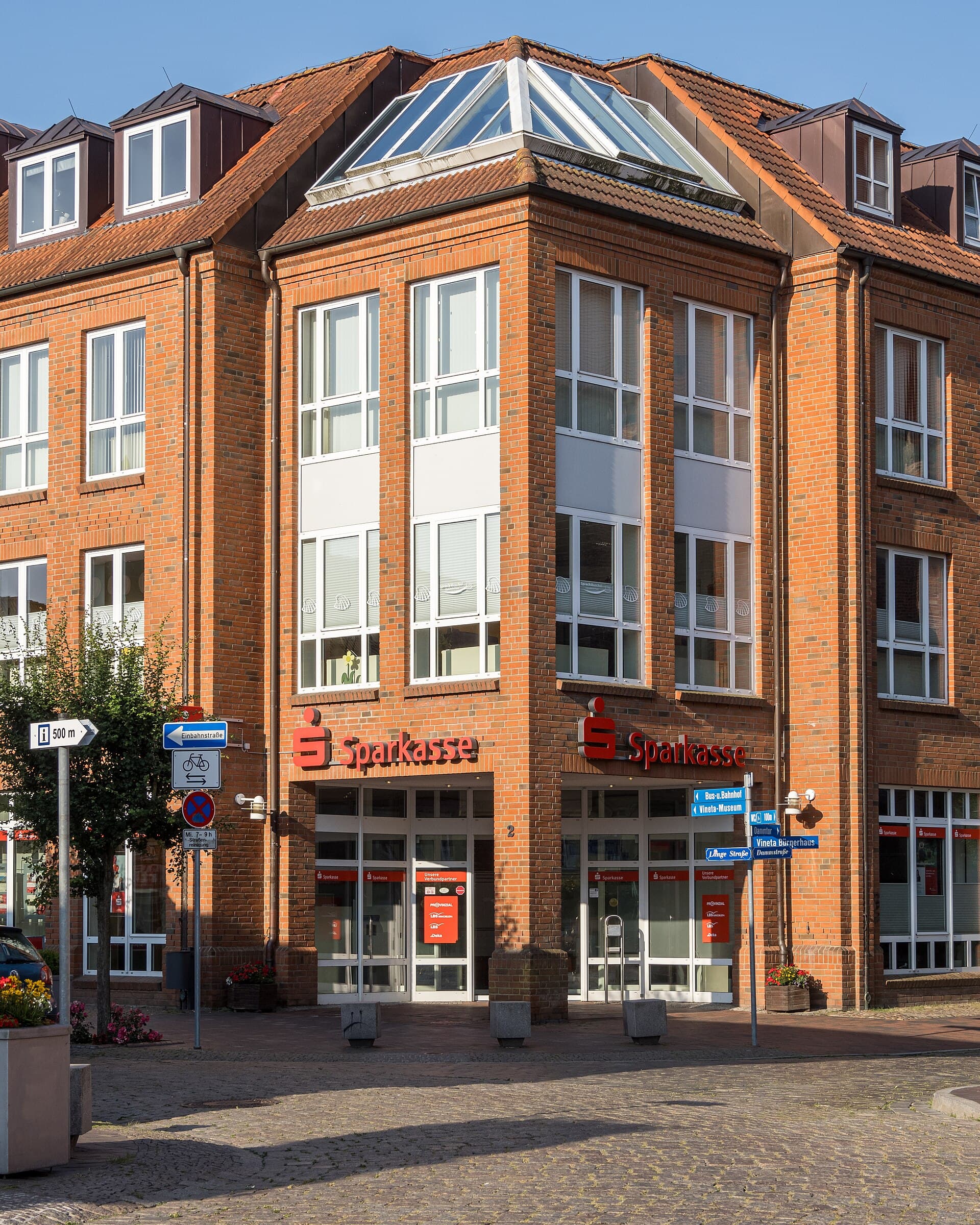
You found the flat. The landlord wants the deposit in euros, often within a few days. The branch on the corner wants your address registration before it will open a current account. Registration needs the address. The money does not wait for that circle to close.
That gap is normal in Germany. It is also where people wire the wrong name, convert at a bad moment, or treat a travel balance as the account an employer will pay.
Get the deposit into euros while you can still see the amount that arrives. Then open the German current account for salary and bills. Those are two different jobs.
Two jobs, not one account
A Girokonto is the everyday German current account. Salary, rent, insurance, and utilities sit on it. How a newcomer opens one depends on the bank. Identity is always checked. The bank may also ask for address registration, a residence document, a tax ID, or proof of income.
A transfer into euros is the earlier job. It pays the deposit and leaves a buffer for the first weeks. It does not replace the account you will hand to payroll.
Mix them up and you either wait on a registration appointment while the flat goes to someone else, or you give a landlord a setup that cannot run a German direct debit later.
What the branch is waiting for
German banks have to confirm who you are. A valid passport or a recognised identity card, plus an in-branch, postal, or video check, is the baseline.
Many branch banks also want the certificate from address registration. You get that after you register the flat, not before you find it. Some online banks open earlier. Their rules on nationality and documents are not the branch rules. Read the product you are applying for.
Until that account exists, the deposit still has a deadline.
Move the deposit in euros
Ask for the landlord's account name in writing and match it to the lease. If the name does not match, stop. Rental scams in Germany often look like a rushed transfer to a private account you have never seen.
Send euros, so the landlord is not left with a surprise conversion. Compare the amount that arrives, not the fee in the advert. A cheap headline can still land short once the rate is applied.
If you are moving savings into euros for a German deposit, compare that transfer on Wise before you lock a bank wire.
On a large deposit, send a small test first and wait until the landlord confirms it. Keep the receipt. The name on the transfer should be your name as it appears on the lease.
Wise is a way to move the money. It is not the Girokonto. Once the German account is open, salary and most standing orders belong there.
Under SEPA rules, a company in the euro area is not supposed to refuse a valid IBAN only because the country code is not DE. Some German payroll screens and landlord forms still do. Do not plan your salary around winning that argument. Open the German current account and use it for those payments. Keep the transfer service for getting the deposit in on time.
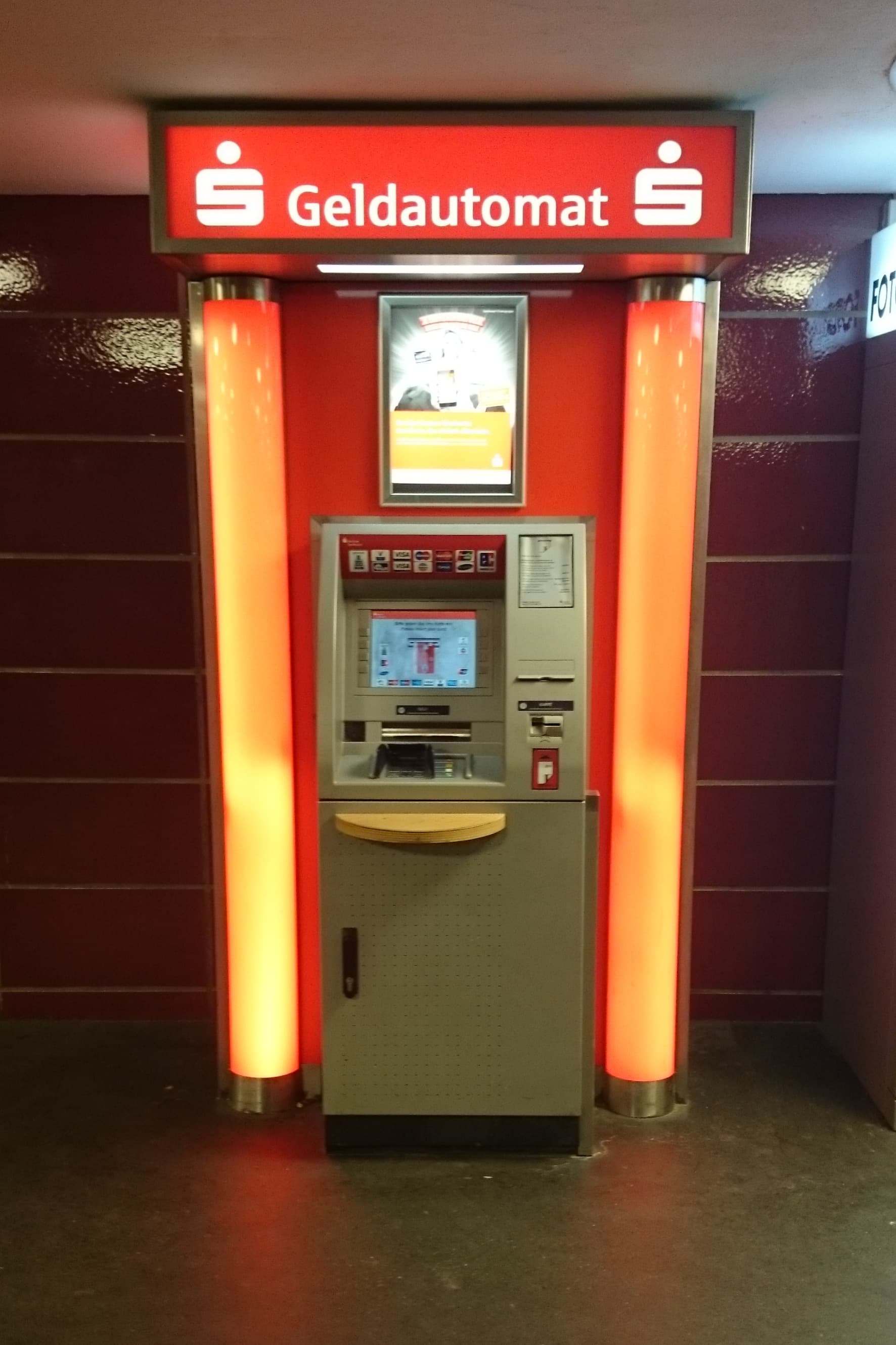
After the German account opens
Give your employer the IBAN and check every character. Set rent as a standing order or a SEPA direct debit, meaning a euro payment you authorise from the account, only after you have watched one payment clear. A failed collection can create a fee, and landlords notice.
If a normal account is refused and you are legally resident in the European Union, Germany has a basic payment account, the Basiskonto. It covers deposits, withdrawals, transfers, direct debits, and card payments. The right is not unlimited. A bank can refuse on statutory grounds, including when you already have a usable account. The steps sit in the bank account answer. This is not legal advice. Bank policy changes, so confirm a refusal with the bank and with BaFin, Germany's financial regulator, if it looks wrong.
A short order
- Match the landlord's account name to the lease.
- Move the deposit in euros, with a small test if the sum is large.
- Register the address.
- Open the Girokonto and complete the identity check.
- Move salary and regular bills onto that IBAN. Leave the first month's buffer in place until those debits have run once.
Price the month before you promise a deposit. Put your rent tier through the cost of living calculator. If you are still choosing the city, stack Germany against a backup in Compare.
Comments on How to send money to Germany before you have a German bank account
Loading comments…
Share your experience

About the author
Noah Walker
Editorial writer for Country To Live, covering relocation research, visas, taxes, and quality-of-life comparisons.