Best Countries for Americans to Get Citizenship in 2026

Americans do not chase a second passport because the first one is weak.
We chase it because a second citizenship is an exit option, an EU door, a Latin American Plan B, or a way to stop living as a forever guest on temporary stamps.
That is a different search from "best countries for Americans to move to." Move lists care about rent, vibe, and visas. Citizenship lists care about years on the clock, physical presence, language tests, and whether you can keep the US passport.
The US already allows dual nationality in practice. The other country has to play along. And no, a digital nomad visa is not a passport strategy unless the law says that time counts toward naturalization.
This shortlist is for Americans who want a real second citizenship path, not a travel stamp that looks good on Instagram. Rules change. Confirm everything with official sources and a lawyer who knows your file. This is not legal advice.
Before you pick a flag, run two finalists through our compare tool and read How Americans Can Legally Live Abroad Without Paying Double Taxes. Citizenship does not cancel US tax filing.
How Americans should score a citizenship country
Use four filters before you fall in love with a brochure:
Years of legal residence that actually count. Tourist time almost never counts. Student stamps often do not. Nomad visas sometimes do not. Ask the boring question first: does this stay tick the naturalization clock?
Physical presence. Some countries want you planted. Argentina’s recent guidance can treat long trips abroad as a reset. Canada counts days in a five-year window. Ireland wants reckonable residence, not just “I had an apartment.”
Language and civics. Ireland has no formal language exam for naturalization. Germany wants German. France wants B2 French plus a civics exam. Mexico wants Spanish and history. Portugal wants Portuguese. Italy wants Italian on the ordinary 10-year track. Descent routes skip a lot of that pain if your paperwork is clean.
Dual citizenship on both sides. Keep the US passport unless you knowingly renounce it. Check the other country’s rules before you celebrate.
If you mainly want a place to live, start with Best countries for Americans to move to in 2026. This post is for the people who want the passport at the end.

Argentina
Argentina is the country passport Twitter will not shut up about, and for once the timeline is not pure marketing.
Many nationalities can apply for naturalization after about two years of legal residence. Argentina generally allows dual citizenship with the US. That combination is rare.
The catch is the part influencers bury. Updated guidance in 2025 tightened how absences work. Long trips abroad can reset the residence clock toward citizenship. If the passport is the goal, plan to stay put and confirm the live rule with a migration lawyer before you book Christmas in Texas.
Getting residence first still matters. Americans often look at rentista-style paths when income is passive. See our Argentina rentista page and the deeper move brief in Why Americans are moving to Argentina in 2026.
Best for: people who can earn in USD, handle Spanish bureaucracy, and treat two quiet years as a project.
Skip if: you need to bounce between continents every month.

Paraguay
Paraguay is quieter than Buenos Aires and usually cheaper. The citizenship story for many planners runs roughly like this: secure permanent residence, then count about three years toward naturalization, with processing on top.
It is not “show up and get a passport.” You still need a clean residence file, proof of ties, and patience with paperwork. Spanish helps. Dual citizenship should be confirmed case by case with local counsel, because online lists disagree more here than they do for Ireland or Canada.
Our Paraguay permanent residence page is the practical starting point for the first stamp, not a citizenship guarantee.
Best for: Americans who want a low-cost South American base and can live without a big-city US social scene.
Skip if: you need dense English services and same-week appointments for everything.

Uruguay
Uruguay sits next to Argentina on the map and often next to it on passport forums.
Planners usually quote about five years of legal residence for a single applicant, or about three years when you have a Uruguayan spouse or children in the household. Dual status is commonly workable for Americans, with a Uruguay-specific twist: naturalization often produces legal citizenship (political rights) rather than the same “nationality by birth” category locals discuss in cafe arguments. For your passport goals, talk to counsel about what document you actually receive.
Residence usually comes first through financially independent or permanent-residence routes. Our Uruguay financially independent and permanent residency pages are the practical on-ramps.
Best for: people who want a quieter Southern Cone base than Buenos Aires and can prove stable means.
Skip if: you need a giant English-speaking metro and same-week bureaucracy.

Canada
Canada is not the fastest. It is the most familiar for a lot of Americans.
Naturalization usually needs 1,095 days of physical presence in the last five years, plus language proof (English or French) and a knowledge test for most adults 18–54. Dual citizenship is fine. You keep the US passport.
The hard part is not the citizenship math. It is getting permanent residence first through Express Entry, provincial programs, or family routes. Presence days as a temporary worker or student only help if they sit inside the rules IRCC publishes that year.
If you already live near the border or work for a Canadian employer, Canada can beat every “fast passport” country that you would never actually live in.
Best for: people who can build a real Canadian life, not a mailbox strategy.
Skip if: you want a second passport in under three calendar years from zero status.

Mexico
Mexico wins on flights home, time zones, and temporary-resident paperwork Americans already know from Lake Chapala and Mexico City forums.
Ordinary naturalization usually needs about five consecutive years of legal residence. It can drop to about two years for people married to a Mexican citizen, parents of Mexican children, or a few other categories. Spanish and Mexican history or culture tests are part of the SRE file. Americans are not on the Latin American / Iberian fast list by passport alone.
You will hear horror stories about “renouncing the US.” Mexico’s nationality process includes a formal renunciation oath. On the US side, that ceremonial step does not by itself cancel American citizenship. Dual nationals still enter and leave the US on a US passport. Confirm the live SRE checklist with counsel before you treat a Facebook comment as law.
Start with temporary or permanent residence, not tourist hops. See Mexico temporary resident and permanent resident.
Best for: Americans who already live part of the year in Mexico and can stay long enough for the clock.
Skip if: you only want a second passport without learning Spanish or living there for real.

Ireland
Ireland is the quiet EU bargain for Americans, and it has two doors.
Naturalization: about five years of reckonable residence in the last nine, including continuous legal residence in the final year. Student time usually does not count. There is no formal language test. Ireland allows dual citizenship.
Descent: if a parent or grandparent was born in Ireland, many Americans can claim citizenship through Foreign Birth Registration without living five years in Dublin first. That path is paperwork-heavy and slow, but it is not a residence clock.
An Irish passport is an EU passport. That is why Ireland beats “cheap South American stamp” lists for people who care about Europe mobility more than raw speed.
Best for: Irish-American ancestry cases, and people who can get a real Irish residence stamp that counts.
Skip if: your only plan is a tourist summer in Galway.

Germany
Germany used to force a hard choice: German passport or keep the old one. That story changed.
Since the 2024 reform, dual citizenship is broadly allowed. Ordinary naturalization sits around five years of legal residence for many applicants, with German language and a naturalization test. The old three-year fast track for exceptional integration was wound down; treat five years as the planning baseline unless counsel confirms a live exception.
For Americans, Germany is rarely the “easiest” file. It is one of the strongest EU living plus passport packages if you can actually integrate: language classes, stable residence, and a life that is not only English-speaking coworking.
Best for: people who will learn German and stay long enough for the clock to mean something.
Skip if: you want a second passport without language work.

France
France is the other big Western European five-year story Americans actually consider once Paris or Lyon stops being a vacation fantasy.
Ordinary naturalization by decree usually needs about five years of habitual residence in France. Dual citizenship is allowed. You keep the US passport. Since 1 January 2026, applicants generally need B2 French and a civics exam, not just “I survive at the bakery.” A French master’s-level degree can shorten the residence clock in some cases; treat that as a counsel question, not a loophole you invent from a blog.
France is harder than Ireland on language and softer than Portugal’s new ten-year clock for most Americans. The visitor long-stay path can support a life plan for some remote workers, but confirm whether your stamp counts toward nationality before you celebrate. Our France long-stay visitor page is a residence starting point, not a citizenship timer.
Best for: people who will live in French, not only in English-speaking expat bubbles.
Skip if: B2 French in five years sounds impossible for your schedule.
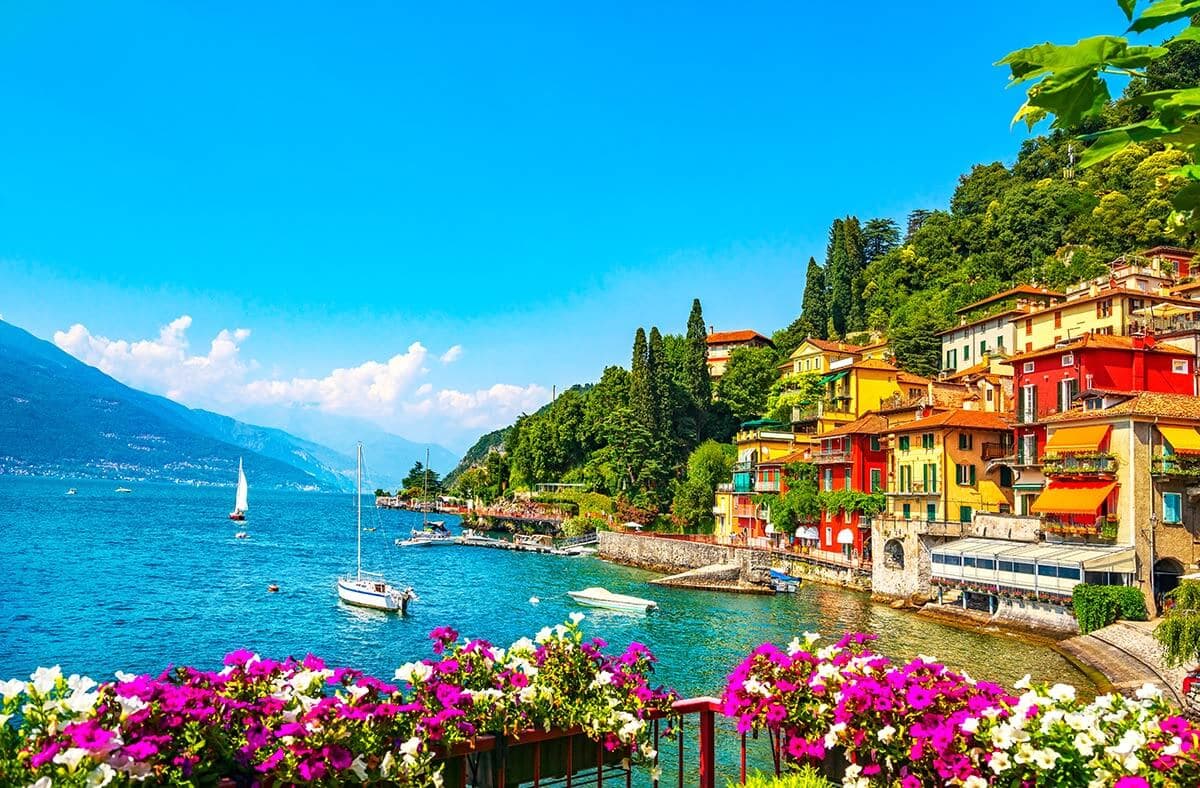
Italy
Italy’s ordinary naturalization for most non-EU nationals still sits near ten years. That is not a speed play.
Italy still belongs on an American citizenship list because of jure sanguinis: citizenship by descent through an Italian ancestor when the documentary chain holds. Processing times and court backlogs are real. Consulate queues are real. The payoff is an EU passport without waiting a decade of residence if your lineage qualifies.
If you do not have Italian ancestry, Italy is usually a lifestyle and residence decision first. Citizenship becomes a long second act.
Best for: Italian-American families with a clean paper trail.
Skip if: you are hunting the fastest residence-to-passport timeline with no Italian roots.

Portugal
Portugal was the American expat default for years. D7 and remote-work routes, soft English in Lisbon, and a five-year citizenship dream.
That dream moved.
Under Lei Orgânica n.º 1/2026, in force since 19 May 2026, naturalization generally needs seven years for nationals of Portuguese-speaking countries and EU member states, and ten years for most other nationalities, including typical US applicants. Language and integration tests still apply. Pending files filed before the cutover can follow older rules.
So Portugal stays on the list as a place to live, not as a two-year passport hack. If you want the lifestyle and EU residence first, it still competes. If you want the fastest second citizenship, look south or to Ireland by descent.
Read Portugal for remote nomads for the residence side, then price Lisbon honestly against your US tax reality.
Best for: Americans optimizing daily life in the EU while accepting a long citizenship clock.
Skip if: the only metric is years to a second passport.
Quick comparison for US planners
| Country | Rough citizenship clock | Dual with US (typical) | Reality check |
|---|---|---|---|
| Argentina | ~2 years legal residence | Usually yes | Absences can reset the clock |
| Paraguay | ~3 years after permanent residence | Confirm with counsel | Quiet, paperwork-heavy |
| Uruguay | ~3 years (family) / ~5 (single) | Usually yes | Legal citizenship wording differs |
| Canada | 1,095 days in 5 years | Yes | PR first is the hard part |
| Mexico | ~5 years (~2 in some family cases) | Yes in practice | SRE oath + Spanish/history tests |
| Ireland | 5 years reckonable, or descent | Yes | Descent can skip the wait |
| Germany | ~5 years + language | Yes (post-2024) | Integration is the price |
| France | ~5 years + B2 French | Yes | Civics exam from 2026 |
| Italy | ~10 years, or descent | Yes | Ancestry is the shortcut |
| Portugal | ~10 years for most Americans | Yes | Live here; do not sell a 5-year myth |
What I would do with a US passport and a citizenship goal
- Check descent first. Irish or Italian ancestry can beat every residence race if the documents exist.
- Separate lifestyle from passport speed. Portugal can win daily life and still lose on years. Argentina can win years and still lose if you hate the stay-put rule.
- Map a real residence route before you count citizenship years. Use our residence eligibility tool and country pages, then verify with counsel.
- Keep US tax filing in the plan. A second passport does not delete Form 1040.
If you want the gut-check on whether you should move at all, take the Should You Move quiz. If you already narrowed two countries, put them in Compare.
Citizenship is a long project dressed up as a listicle. Pick the country you can actually live in for the years the law asks for.
News and law change. Confirm official immigration and nationality pages before you sell a house or wire investment capital.
Comments on Best Countries for Americans to Get Citizenship in 2026
Loading comments…
Share your experience

About the author
Noah Walker
Editorial writer for Country To Live, covering relocation research, visas, taxes, and quality-of-life comparisons.