Best Countries to Live in Europe in 2026 (Honest Picks for Real Movers)

"Move to Europe" is not a plan. It is a mood board.
You still have to pick a country, a visa lane, a rent band, and a winter you can actually live with. Some EU bases feel easy on day one and expensive by month nine. Others look cheap on Numbeo until you need a dentist who speaks English on a Tuesday.
This list is for people who might live here, not tour for ten days. I picked eight countries that score well on Country To Live for different reasons: balanced quality in the Netherlands, Mediterranean lifestyle in Spain and Portugal, career depth in Germany, Nordic calm in Denmark, Alpine standards in Switzerland, value in the Czech Republic, and coast-plus-EU access in Croatia.
Run your shortlist through Compare, plug real rent into the cost of living calculator, and use Where Do You Belong if you want the full catalog ranked to your answers instead of my order.
How to read this list
No country wins every column. Switzerland crushes safety and services but punishes renters. Portugal still looks affordable until you fix on Lisbon. Germany rewards planners and frustrates everyone else at the Bürgeramt.
Use our category scores as a starting point, then read the downside line for each pick. That is usually where moves succeed or fail.

1. Netherlands
The Netherlands leads our European averages for a reason that is boring and useful: things work. Trains run, hospitals answer the phone, and English gets you through a surprising share of admin if you are in Randstad tech or university towns.
Amsterdam and Rotterdam still pull remote workers and EU Blue Card hires. Cycling is not a hobby. It is how teenagers get to school.
Best for: dual-income professionals with a housing strategy already lined up; people who want EU base without learning a new language on day one.
Watch out: market rent is the filter. Income multipliers, agent fees, and deposit rules bite newcomers every month. Tax residency can get aggressive if you bring worldwide assets. Check Netherlands vs Germany if you are torn between two job-market giants.

2. Portugal
Portugal is still the default "maybe I could actually live in Europe" country for a lot of remote earners. D7 passive-income files, digital-nomad interest, and a social pace that forgives late starts keep the pipeline full.
Porto, Braga, and smaller cities still feel reachable on a remote salary. Lisbon is a different conversation. We recently cut Portugal's housing affordability score after price-to-income ratios in the capital hit 18.7, among Europe's worst on Numbeo-based rankings. That does not kill the country. It kills the fantasy that every mover gets Alfama charm on a starter budget.
Best for: remote workers and retirees with documented income; people who can live outside the capital or afford Lisbon's new normal.
Watch out: citizenship timelines lengthened in 2026, banks want clean inbound transfers, and Portuguese still matters for leases and clinics. Read Can you work on Portugal's D7 visa? before you assume passive-income status covers a new salary.
👉 Explore Portugal → · Portugal D7 residence →

3. Spain
Spain is where Europe feels social in public life. Neighborhood bars, long evenings, and cities that do not shut down at 6 p.m. still pull foreigners who found Germany efficient but lonely.
Madrid and Barcelona dominate careers and flights. Valencia, Málaga, and Bilbao give you a Mediterranean or Atlantic rhythm with slightly gentler rent curves than the two capitals. Non-lucrative and digital-nomad routes exist, but consulates want tight income proof and insurance that matches their checklist, not a blog summary.
Best for: remote workers and retirees who want warmth and culture; families okay with Spanish bureaucracy in exchange for healthcare depth.
Watch out: NIE appointments, bank onboarding, and regional tax quirks. Compare finalists on Portugal vs Spain if your budget is similar but your weather preference is not.
👉 Explore Spain → · Moving to Spain guide →

4. Germany
Germany is the "I want a career runway and I can handle forms" pick. Engineering, healthcare, and corporate roles still anchor long stays. Public transport and clinic quality reward people who register correctly from week one.
Berlin gets the hype; Munich, Hamburg, and Frankfurt pay better and judge your housing file harder. English works in tech bubbles. It fades fast at the Ausländerbehörde.
Best for: skilled hires with employer sponsorship or recognized credentials; families who value schools and stability over beach photos.
Watch out: Anmeldung, Schufa, health insurance, and childcare queues in hot cities. Freelancers face tougher income tests than salaried Blue Card paths. Run Germany vs Netherlands if your offer could land in either country.

5. Switzerland
Switzerland is what people mean when they say "European quality of life" without saying European prices. Safety, trails, trains, and clinic standards stay top-tier. Salaries in pharma, finance, and engineering still clear most EU peers after FX.
Best for: professionals with a signed contract and six months of housing reserves; outdoor people who value quiet Sundays over cheap cocktails.
Watch out: rent in Zurich and Geneva, mandatory health insurance per person, and cantonal tax puzzles. Non-EU hiring quotas still sting. If the budget is tight, Switzerland is a visit, not a base. Switzerland vs Austria helps if you are weighing Alpine alternatives.
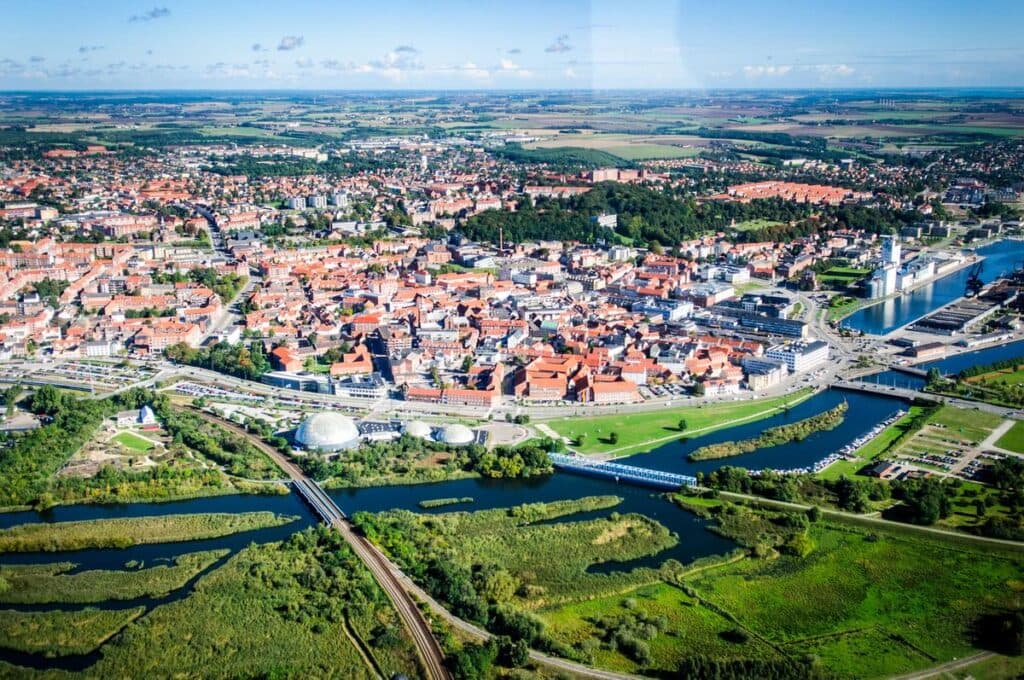
6. Denmark
Denmark is the Nordic pick for people who want calm public life more than nightlife volume. Copenhagen is compact, bikeable, and serious about work-life boundaries. Parental leave and school culture still pull families from louder metros.
English is strong in professional circles. Danish helps for housing groups and long-term belonging.
Best for: families and salaried workers in green energy, design, pharma, and logistics; people who plan around winter light.
Watch out: housing queues, high consumption taxes, and November moods. "Hygge" is not a heater. Compare Denmark vs Finland if you are shopping Scandinavia without a job locked in yet.
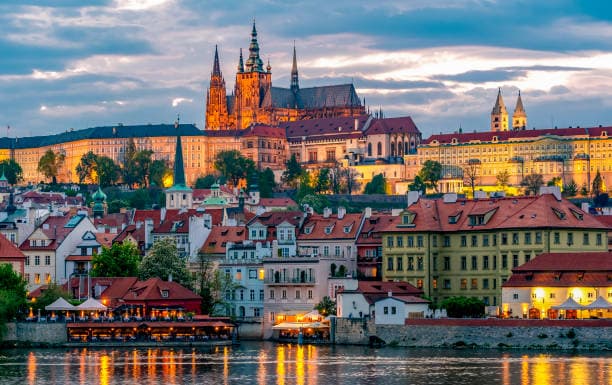
7. Czech Republic
Prague gets the tourists. Brno and Ostrava get the engineers. The Czech Republic still punches above its weight on housing affordability and central location if you earn euros or dollars remotely.
Beer-and-castle culture is real, but so is a serious manufacturing and IT base. Schengen access makes weekend trips easy.
Best for: remote workers and founders who want EU timezone without Paris rent; people comfortable learning some Czech for daily errands.
Watch out: visa category must match how you actually earn. Passive-income fantasies belong on a different pathway. Local wages are not Western European unless your client list is. Stack Poland vs Czech Republic if Eastern EU value is your bracket.

8. Croatia
Croatia is the "I want coast and EU status without Western price tags" answer for a growing slice of movers. Split and Dubrovnik are famous. Zadar, Rijeka, and inland towns still leave room for normal rents if you skip peak-season short lets.
Digital workers and retirees show up for the Adriatic light. Schengen membership changed weekend travel math for residents.
Best for: remote earners who want sea access; slow-travel types who can handle seasonal tourism swings.
Watch out: winter quiet on the coast, language outside tourism desks, and job markets that are thinner than Germany or the Netherlands. Do not confuse holiday ease with year-round admin.
Quick comparison: who should lean where
| If you prioritize… | Start here |
|---|---|
| English at work + EU career | Netherlands, Germany |
| Warm weather + visa variety | Spain, Portugal |
| Maximum services, budget optional | Switzerland |
| Family life + Nordic calm | Denmark |
| Low rent inside the EU | Czech Republic |
| Coast on a remote salary | Croatia |
That table is a compass, not a verdict. Two countries can fit the same row and feel nothing alike once you price your actual neighborhood.
Before you book a one-way flight
- Match visa to income type. Passive, employed, and founder routes are not interchangeable. Residence eligibility flags obvious mismatches before you pay apostille fees.
- Model housing separately from groceries. Our Portugal housing update is a reminder that one city can break a national average.
- Compare pairs, not vibes. Portugal vs Spain and Germany vs Netherlands settle half the arguments in one screen.
Europe in 2026 is still a strong continent to build a life in. The winners are just more specific than a continent-wide hashtag.
Immigration rules, tax treatment, and rent bands change. Treat this as planning copy, not legal advice, and verify official sources before you file.
Comments on Best Countries to Live in Europe in 2026 (Honest Picks for Real Movers)
Loading comments…
Share your experience

About the author
Noah Walker
Editorial writer for Country To Live, covering relocation research, visas, taxes, and quality-of-life comparisons.