
 United StatesUpdate
Democrats take Congress. US visa rules stay under Trump for now
After the 2026 midterms, Democrats control the House and Senate. President Trump still runs immigration agencies. Expect more oversight and blocked bills, not an instant H-1B or green-card reset.
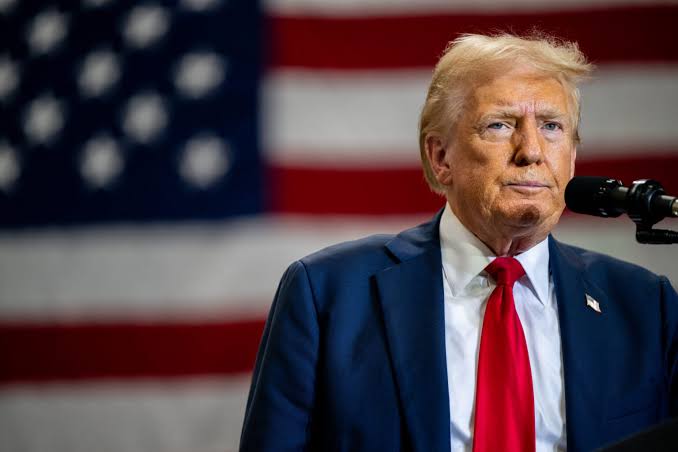
US voters handed Democrats control of the House and Senate in the 3 November 2026 midterms. Wire services call it a clear rebuke of President Trump’s party. The new Congress is due to sit in January 2027.
If you are watching H-1B, PERM, student visas, or visitor stamps, do not treat election night as a new rulebook. This is a Country To Live outlook for movers and sponsors. It is not legal advice.
Democrats take both chambers
- Senate: Major outlets project Democrats at about 54 seats, with a few races still counting.
- House: Democrats flipped dozens of seats and are projected well above the 218 needed to control the chamber.
- White House stays Republican. President Trump remains in office through the rest of this term.
- Divided power starts in January 2027. Until then, current agency practice continues unless a court or new order says otherwise.
What this likely means for visas
- Day-to-day visa decisions stay with Trump agencies. USCIS, State, Labor, and DHS still adjudicate petitions, visas, and enforcement.
- Congress can block new hardline bills. A Democratic House and Senate make it harder to pass fresh fee hikes or cuts through legislation.
- Congress can dig into agency moves. Expect hearings on H-1B fees, PERM freezes, student stays, and workplace raids.
- A veto still stops big liberal bills. Even if Democrats pass a softer immigration bill, the president can veto it. Overrides need two-thirds in both chambers.
- Money fights matter later. Democrats can attach conditions to funding bills, but multi-year enforcement budgets limit instant leverage.
Rules that stay live for movers right now
- H-1B cost fights are not over. The large employer fee and related court fights remain a live planning risk for new consular cases. See our earlier H-1B fee timeline.
- PERM freezes can still bite named sponsors. Labor’s October pause on certain tech PERM files does not vanish because Congress flipped. See our PERM freeze note.
- Student and visitor rules still follow current guidance. Election results do not automatically lengthen F-1 stays or ease B-2 planning.
- Canada remains a parallel plan for some workers. Canada’s Express Entry changes are a separate product. Compare Canada vs United States if you are still choosing a base.
Who should watch this first
- H-1B employees and Indian IT sponsors waiting on fee, lottery, or green-card news.
- Students comparing the US with Canada, the UK, or Australia for the next intake.
- Employers who need PERM or H-1B filings in 2027 and want political risk on the calendar, not only forms.
What to do next
- Keep filing under the rules that are in force today. Do not pause a real case for election commentary alone.
- Track January 2027 committee calendars and any court orders on H-1B fees or PERM freezes.
- If the US path feels too uncertain, reopen Canada, Mexico, or Europe options with current residence pages, not campaign promises.
News summary and outlook only, not legal advice. Policy can shift after January 2027 when the new Congress sits.

Written by
Erik Holm
Residence pathway updates
Residence pathway editor at Country To Live. Checks permit income rules, fees, and official sources against our catalog so movers see current numbers.
Discussion on Democrats take Congress. US visa rules stay under Trump for now
Loading comments…
Share your experience
News summary only, not legal advice. Confirm details on government websites before you apply.