
 CanadaResidency Pathway
Canada residency pathway score up after Express Entry CRS rewrite
We raised Canada’s residency pathway score by 0.2 points to 7.0/10 after IRCC cut LMIA job-offer red tape and added high-wage Labour Market Integration points in Express Entry from 3 November 2026.
We raised Canada’s residency pathway score from 6.8 to 7.0 on Country To Live. On 16 October 2026, Immigration, Refugees and Citizenship Canada announced Express Entry changes that take effect on 3 November 2026: job offers no longer need a Labour Market Impact Assessment (LMIA) to count, and a new Labour Market Integration factor adds CRS points for eligible Canadian high-wage work or a qualifying high-wage job offer.
This is a data call for people comparing how workable a skilled permanent-residence path feels on paper. It is not immigration advice, and it does not promise an invitation in the next draw.
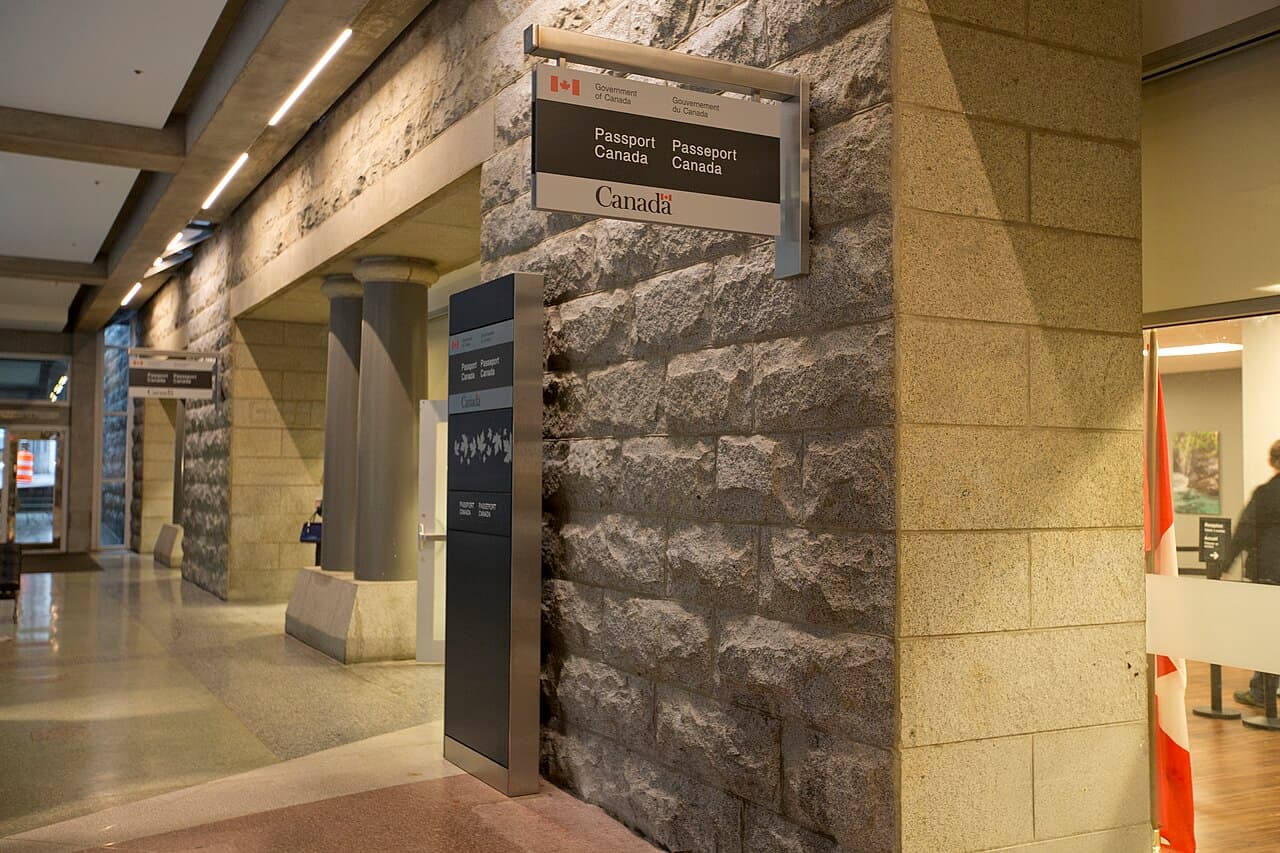
What IRCC changed for Express Entry
- LMIA dropped for qualifying job offers. From 3 November 2026, a job offer can support Express Entry eligibility and the new points without an LMIA. Having an LMIA no longer adds CRS points or queue priority. Officers still check that offers are genuine.
- Labour Market Integration is the new CRS lever. Candidates get points for either Canadian work experience (with extras for eligible high-wage NOCs) or a qualifying high-wage job offer, not both. Cap is up to 150 points under that factor, per IRCC’s changes page.
- High-wage means occupation medians, not your paycheck. An eligible job is one whose NOC median wage sits at least 1.3× the national workforce median. Extra bands sit at 1.5× and 2×. Engineers, electricians, health, trades, tech, and education roles are among the examples IRCC flagged.
- Profiles recalculate; draws pause briefly. Existing pool scores will recompute for up to two weeks. Invitation rounds pause during that window, then restart. Job-offer points need the offer details in the profile before the switch date.
- We moved residency pathway only 0.2. The gain is clearer skilled-PR mechanics for high-wage and Canadian-experience candidates, not an open door for every profile. Other Canada scores stay put this round.
Where residency pathway sits for movers
Residency pathway on Country To Live tracks how clear and usable a longer stay or permanent route feels for someone planning from abroad: rules, paperwork friction, and whether skilled work actually moves the needle. A 7.0/10 is a modest step up from 6.8, still well below Canada’s top scores for English, jobs, and safety.
Open the Canada country page, run Canada vs United States, or load Canada in the compare tool. Peers such as the United States, the United Kingdom, and Australia remain useful checks if skilled immigration is your swing factor. Scan all country scores to see where 7.0 lands.
If skilled PR is your swing factor
- Check whether your NOC sits on IRCC’s high-wage occupation list before you treat the new points as automatic.
- If you hold a qualifying offer, update the Express Entry profile before 3 November so job-offer points can attach when scores recalculate.
- Pair this score with housing and cost of living. A clearer CRS path does not fix Vancouver or Toronto rent.
We will update again if invitation pauses stretch, high-wage lists shrink access in practice, or IRCC reverses the LMIA cut.
This note explains our editorial scoring only. It is not legal, immigration, or relocation advice.

Written by
Ozzy Aydin
Visa & residence updates
Visa and residence news editor at Country To Live. Tracks rule changes across Europe, the Gulf, and popular mover destinations.
Editorial scoring note only, not legal or travel advice. Confirm details on official sources before you decide.