
Best Countries to Retire in 2026: 8 Places That Still Work on a Real Budget
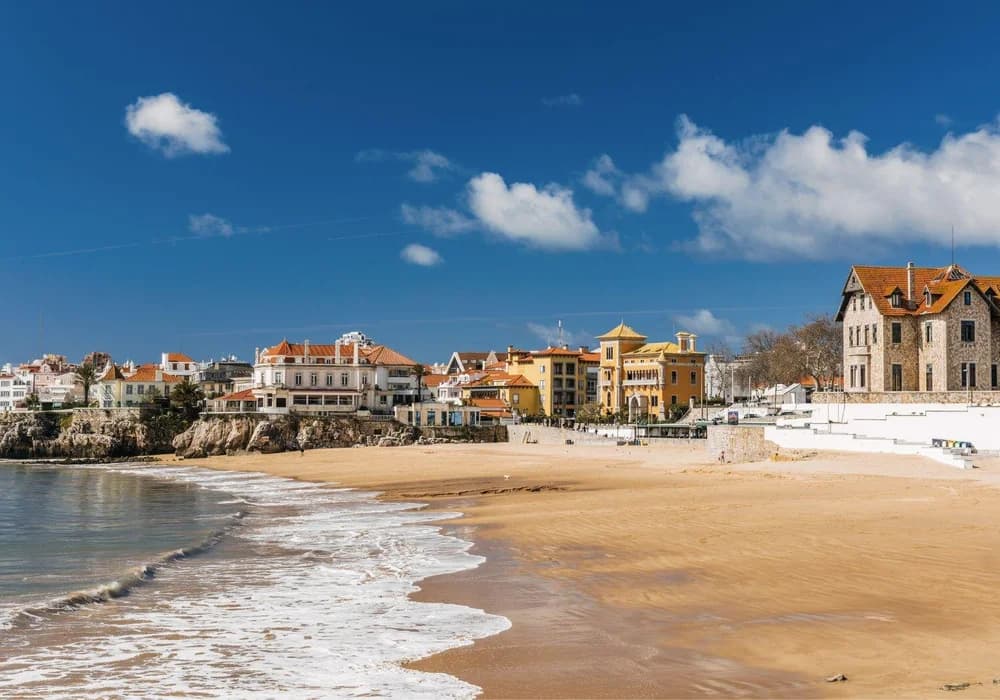
“Best country to retire” is usually code for three quiet questions.
Can I afford month nine? Can I see a doctor without a panic flight home? And is there a legal way to stay longer than a tourist stamp?
The overall 2026 livability list rewards balanced working-age life. This piece filters for retirement math: healthcare access, climate you can live with year-round, cost pressure, and residency routes that do not assume a full-time local job.
I ranked eight countries that keep showing up for retirees and early retirees in 2026. None is perfect. All of them beat the fantasy of picking a beach on Instagram and hoping the visa sorts itself out.
Before you lock a favorite, run rent through the cost of living calculator, stack two finalists in Compare, and open each country page for the live scores.
How this retirement shortlist was built
I did not chase the cheapest hostel town on earth. Dirt-cheap places with weak care or thin residency options drop off fast once you need a specialist or a renewal.
For each country I weighed:
- Healthcare you can actually use (public access, private clinics, English coverage in major hubs)
- Monthly burn that still leaves room for flights home and surprise dental bills
- Climate and daily pace that suit slower years, not only holiday weeks
- Residency pathways that map to pensions, savings, or passive income (verify official rules; this is not legal advice)
Safety and infrastructure still matter. A bargain rent means little if you do not feel comfortable walking to the pharmacy.

1. Greece
Greece is having a moment for a practical reason: you can still buy a real Mediterranean week for less than Western Europe’s usual tax. Athens, Thessaloniki, and many mainland towns stretch a pension further than Lisbon or Valencia once you leave the August island markup.
Private clinics in major cities handle a lot of expat care. English shows up more often than newcomers expect in tourist and medical corridors. Winters on the mainland are milder than northern Europe, which matters when cold months stretch longer than a cruise brochure admits.
Best for: retirees who want EU geography, outdoor walking culture, and food that does not feel like a compromise.
Main watch-out: island utilities, ferry logistics, and paperwork pace. Some residency routes need patience and clean documentation. Athens heat spikes in summer; plan housing with AC, not hope.
2. Portugal
Portugal remains the default “we could actually live in Europe” answer for many English-speaking retirees. Porto, Coimbra, and parts of the Algarve still feel livable on a careful budget. Lisbon is a different spreadsheet. Capital rents and purchase prices punished late arrivals; our housing score already reflected that pressure in 2026.
Healthcare is a split story: public SNS access after you are legal, plus private insurance that many newcomers keep for speed. D7-style passive-income planning is still the conversation piece for non-EU retirees, but income floors track the national minimum wage and move when that wage moves. Confirm current figures before you wire a year of savings.
Best for: people who want EU residence options, walkable towns, and a social pace that forgives slow mornings.
Main watch-out: do not budget Lisbon like Braga. Also check citizenship calendars separately from residence renewals; nationality clocks changed for many new filings in 2026.

3. Mexico
Mexico wins on geography for a huge share of North American retirees. Flights home are short. Time zones are friendly. Cities like Mérida, Guadalajara, and parts of the Lake Chapala belt already have clinics, groceries, and social clubs that speak the same language as your paperwork anxiety.
Costs stay flexible if you avoid pure resort strips. Private hospitals in major hubs are a big reason people stay. Safety is city-specific. Treat neighborhood choice like a job, not a vibe.
Best for: US and Canadian retirees who want proximity, Spanish-learning runway, and a lower monthly burn than home metros.
Main watch-out: temporary resident income thresholds can be high depending on the consulate path. Research the actual category you will use. Do not assume every beach town is interchangeable on safety or healthcare.

4. Panama
Panama’s Pensionado story is old for a reason. Dollarized pricing removes one currency headache. Panama City has modern clinics. Boquete and beach towns still pull people who want cooler nights or slower mornings.
Infrastructure outside the capital varies. That is fine if you planned for it. It is not fine if you expected Swiss trains in every province.
Best for: pension-based movers who want a known retiree visa brand and English-friendly pockets.
Main watch-out: humidity, rain seasons, and the gap between marketing and clinic quality in smaller towns. Confirm current Pensionado income floors and document lists on official channels before you treat a blog table as gospel.

5. Spain
Spain is the “I want Europe and I want my knees to thank me” pick. Public healthcare ranks among Europe’s strongest once you are legally covered. Valencia, Málaga, and many inland cities still feel more reachable than Madrid or Barcelona rents.
Non-lucrative residence remains a classic path for people who will not work locally. Income is tied to IPREM multiples (often discussed around €2,400 a month for a main applicant when IPREM sits at €600). Digital nomad rules are a different lane if you still earn actively from abroad. Mixing the two stories in one file is a common refusal pattern.
Best for: retirees who want EU care standards, climate choice, and a dense social calendar.
Main watch-out: embassy appointment waits, document legalization, and tax residency once you cross the 183-day line. Budget private insurance for the early months if your coverage path has a gap.

6. Thailand
Thailand is still where many retirees discover their first “wait, groceries cost what?” month. Chiang Mai, Hua Hin, and parts of the south remain popular bases. Private hospitals in Bangkok and major tourist hubs are a real asset for planned care.
The catch is legality. Tourist exemptions tightened in 2026 for many nationalities. Long stays usually mean retirement visas, LTR tracks, or other formal categories with income, insurance, or deposit tests. Treat those as the product, not the beach.
Best for: warm-weather retirees with flexible budgets who will pay for private care and keep paperwork current.
Main watch-out: heat, floods in some seasons, and visa category confusion. A cheap condo does not fix an expired stamp.

7. Malaysia
Malaysia is the underrated “I can still talk to the pharmacist” retirement base in Southeast Asia. Kuala Lumpur and Penang combine English-friendly services, strong food culture, and private hospitals that many expats use without drama.
MM2H and related long-stay programs are capital-heavy and tiered. That screens out casual movers and rewards people who can park deposits and follow property rules. If that describes you, the monthly lifestyle cost can still look gentle next to Western Europe.
Best for: English-preferring retirees who can meet deposit or property conditions and want regional travel options.
Main watch-out: program rules change. Confirm current tier deposits, annual day counts, and agent requirements before you move money. Humidity is not optional.

8. Costa Rica
Costa Rica stays on retirement shortlists because the lifestyle pitch is honest: outdoor days, smaller towns, and a long US expat trail. Private clinics in the Central Valley handle a lot of routine and specialist care for people who budget for it.
It is not the cheapest country on this list anymore. Import costs, car needs outside walkable cores, and insurance add up. People who succeed usually pick a town first, then a condo photo second.
Best for: nature-first retirees who want Central America without giving up clinic access in hub cities.
Main watch-out: rainy seasons, road conditions, and residency income proofs that want clean pension paperwork. Compare Costa Rica vs Panama style trade-offs before you buy furniture.
The 2026 retirement shortlist at a glance
| Rank | Country | Why retirees keep shortlisting it |
|---|---|---|
| 1 | Greece | Mediterranean pace, private care options, and value outside the tourist islands |
| 2 | Portugal | Familiar EU lifestyle with D7-style passive-income planning for many non-EU movers |
| 3 | Mexico | Near the US, strong expat hubs, and budgets that still flex outside resort strips |
| 4 | Panama | Pensionado reputation, dollarized prices, and a known retiree pipeline |
| 5 | Spain | Excellent public healthcare once you are legal, plus climate variety |
| 6 | Thailand | Low daily costs and mature long-stay tracks if you can clear income or deposit bars |
| 7 | Malaysia | English-friendly cities, food culture, and MM2H-style long stays for capital-heavy planners |
| 8 | Costa Rica | Outdoor life, solid private clinics in hubs, and a long US retiree tradition |
How to pick without fooling yourself
Retirement abroad fails for boring reasons: underestimated healthcare, a visa that only worked on paper, or a city that felt magical for two weeks and lonely for two years.
A clean 2026 workflow:
- Cut the list to two countries (or one from here and one rival from the 2026 livability top 10).
- Open Compare and look at health, cost of living, safety, and residency pathway side by side.
- Run the cost of living calculator with your real rent tier and household size.
- Read the matching residence pages and then verify numbers on official government sites.
- Book a scouting trip in the season you would actually live there, not the postcard month.
If you are still early in the decision, the Should You Move quiz helps separate climate fantasies from budget reality.
Visa and tax rules change. Treat every income floor and deposit figure as a starting point, then confirm with the embassy or immigration site that handles your passport.
Comments on Best Countries to Retire in 2026: 8 Places That Still Work on a Real Budget
Loading comments…
Share your experience

About the author
Noah Walker
Editorial writer for Country To Live, covering relocation research, visas, taxes, and quality-of-life comparisons.


