
 GermanyUpdate
Germany confirms 2026 short-stay visa-free list for dozens of non-EU passports
Germany still lets many non-EU passports visit without a visa for up to 90 days in 180. Work is not allowed. Check the Federal Foreign Office table for your country.
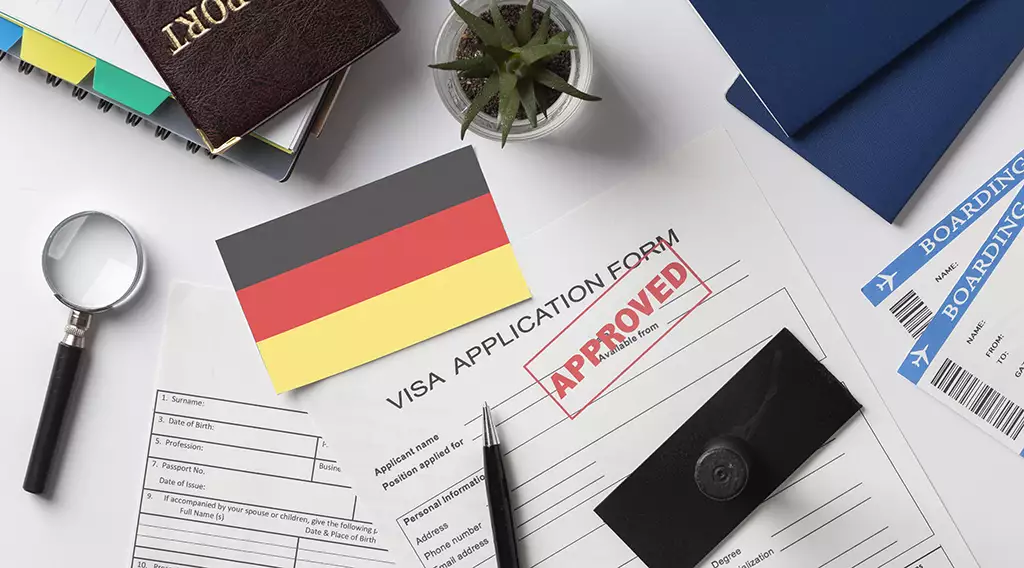
Germany did not invent a brand-new tourist visa in July 2026. The Federal Foreign Office still publishes a clear table of who needs a visa and who does not. Press coverage, including Gulf News, listed about 62 non-EU and non-Schengen passport groups that can enter for short stays without a visa.
This is a news summary, not legal advice.
What changed
- The 2026 short-stay map is still visa-free for many passports. The official Federal Foreign Office country table marks those countries as "no" for an entry visa.
- The stay limit stays familiar. Most visa-free visitors get up to 90 days in any 180-day period in Germany and the wider Schengen area.
- You still cannot take a local job on that short visa-free visit. Tourism, business meetings, and family visits are the usual short-stay uses.
- Some passports can seek longer residence after arrival. Footnote 3 on the official table covers places such as the United States, United Kingdom, Canada, Australia, Japan, South Korea, New Zealand, and Israel. Those people may apply for certain residence permits after they enter without a short-stay visa. Rules still depend on your purpose.
- Vanuatu is not visa-free. The EU suspended Vanuatu's visa waiver earlier. The official German table marks Vanuatu as "yes" (visa required). Older blog lists that still show Vanuatu as free are wrong.
- ETIAS is not live yet. EU plans still point to a later start for ETIAS, with talk of a late 2026 warm-up and a mandatory phase in 2027. Until then, visa-free short stays follow today's rules, not a future online travel permit.
What you still need
- A valid passport that matches the row on the Foreign Office table.
- A plan that fits 90 days in 180, unless a special bilateral rule says otherwise.
- No paid work in Germany on a short visa-free visit.
- Extra papers when your passport has footnotes, such as biometric passports for some Balkan and Eastern European countries, or a Taiwan passport with an ID number.
- A national visa (type D) or other residence route if you want to study, work, or stay longer than a short visit.
Who this affects
- US, UK, Canadian, Australian, Japanese, and other visa-free passport holders planning Berlin, Munich, or Hamburg trips under 90 days.
- People scouting Germany before a longer move. A short visit is not a work permit.
- Anyone comparing EU bases. Short visa-free entry to Germany follows Schengen rules shared with neighbours such as France and the Netherlands.
- Vanuatu passport holders who must apply for a Schengen visa before travel.
What to do next
- Open the official visa requirements table and find your country row.
- If you only need a short visit, count your 90/180 days carefully across all Schengen countries, not only Germany.
- If you want to live or work there, start with our Germany country page and compare France vs Germany or Germany vs Portugal before you treat a tourist stamp like a residence plan.
News summary only, not legal advice. Embassy and border staff follow the live Foreign Office table. Check that page again before you book non-refundable flights.

Written by
Ozzy Aydin
Visa & residence updates
Visa and residence news editor at Country To Live. Tracks rule changes across Europe, the Gulf, and popular mover destinations.
Discussion on Germany confirms 2026 short-stay visa-free list for dozens of non-EU passports
Loading comments…
Share your experience
News summary only, not legal advice. Confirm details on government websites before you apply.