
 AustraliaUpdate
Australia’s visa fee hikes hit students, grads, and permanent residents
From July 1, 2026, many Australia visa fees rose about 25%, and some jumped far more. Resident return visas more than tripled. Student and graduate fees stayed among the world’s highest.
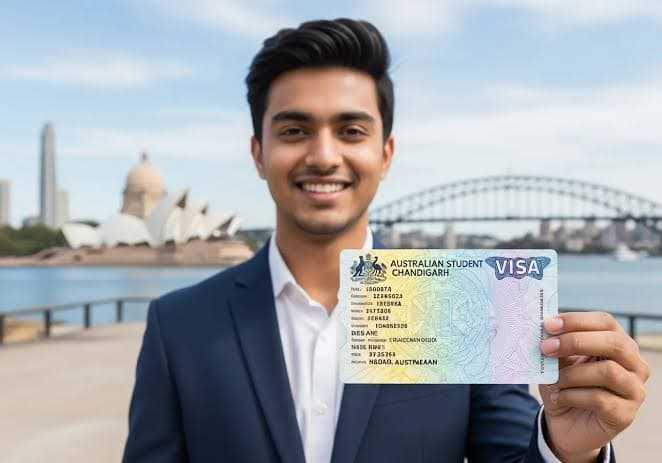
Australia did more than hike student fees. From July 1, 2026, the government raised a wide set of visa application charges. Some rose about 25%. A few almost tripled.
This is a news summary, not legal advice. Check the live fee table before you pay.
What changed
- Many visa fees rose on July 1, 2026. The Guardian reports most application charges jumped about 25%, with some categories up by as much as 200%.
- Resident return visa: the fee rose from AUD 490 to AUD 1,475. Permanent residents who leave Australia for longer stretches often need this to come back.
- Bridging visa B: the fee rose from AUD 190 to AUD 575.
- Student visa (Subclass 500): the fee rose from AUD 2,000 to AUD 2,500.
- Temporary graduate visa (Subclass 485): the fee hit AUD 5,750. That follows a March rise from AUD 2,300 to AUD 4,600. In six months, the charge more than doubled.
- Skilled independent visas: the fee rose from AUD 4,910 to AUD 6,140.
- Partner visas: the fee rose from AUD 9,365 to AUD 11,710.
- Student places for 2027: the government confirmed a cap of 295,000 international student places, about 8% below the recent post-Covid peak.
What you still need
Higher fees do not replace the usual rules. You still need to qualify for your visa type.
- A real plan that matches the visa you apply for (study, work, partner, or return travel).
- Money for the new application charge. These fees are often non-refundable if the case fails.
- Proof of funds, health insurance, and identity papers your checklist asks for.
- Clean, consistent forms. Pay the fee only after you know which visa and fee band apply to you.
If you are a permanent resident living partly abroad, budget the new resident return fee early. Australia and New Zealand are rare western destinations where that re-entry right can expire after about a year away.
Who this affects
- International students paying for a Subclass 500 visa.
- Recent grads planning a Subclass 485 post-study work visa.
- Permanent residents who travel and need a resident return visa.
- Skilled workers and partner applicants facing the July 1 skilled and partner fee rises.
- Families comparing English-speaking countries. Weigh Australia against New Zealand, Canada, or the UK before you lock in tuition or a lease.
What to do next
- Check the Department of Home Affairs fee list for your exact visa and nationality.
- Open our Australia country page and compare options with Compare.
- Read Australia vs New Zealand or Australia vs Canada if you are still picking a study or work base.
- Skim our earlier note on the student and graduate fee jump: Australia raises student and graduate visa fees again.
News summary only, not legal advice. Confirm fees and rules on the official site before you apply.

Written by
Ozzy Aydin
Visa & residence updates
Visa and residence news editor at Country To Live. Tracks rule changes across Europe, the Gulf, and popular mover destinations.
Discussion on Australia’s visa fee hikes hit students, grads, and permanent residents
Loading comments…
Share your experience
News summary only, not legal advice. Confirm details on government websites before you apply.