Japan and South Korea: how locals treat tourists vs people who stay
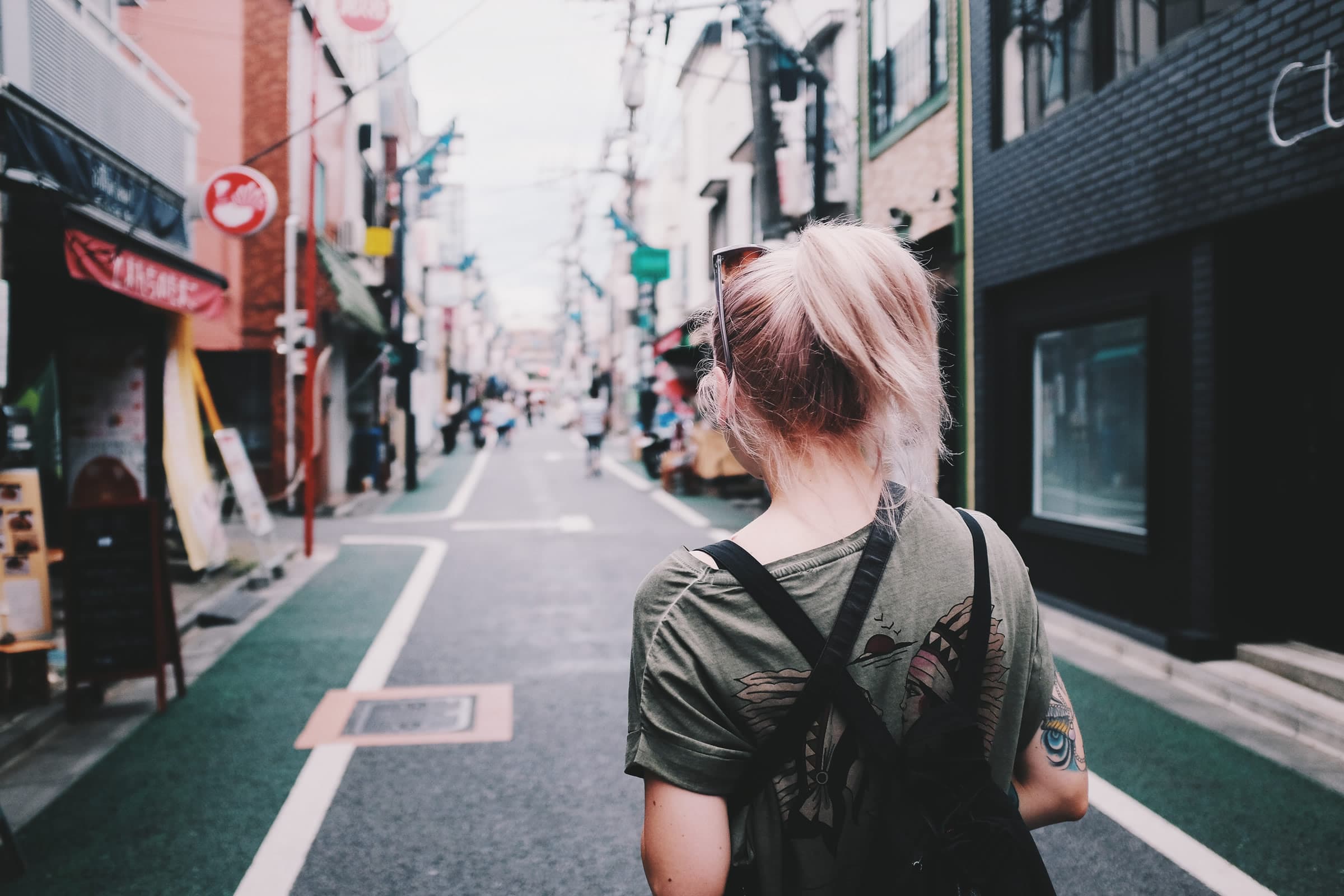
On a short trip, both countries can feel almost kind.
Someone points you to the right platform. A clerk bows or smiles. A stranger helps with a map app. You leave thinking people were gentle with you.
Then you rent a flat, open a bank account, and try to make a Tuesday evening feel like home. The weather of public life changes. Not always into hostility. Often into something quieter: you are still welcome as a customer, and less often invited as a person.
This is not a ranking of who is "nicer." It is a living note on two East Asian neighbors that look similar on a two-week itinerary and diverge once your suitcase stops moving.
Tourist week versus resident months
Tourism is a scripted kindness economy. Hotels, stations, and famous streets are trained for guests. Staff want the interaction to end cleanly. Locals who help you are often performing a short favor, not opening a friendship.
Living asks for the unscripted parts:
- Neighbors who may never knock
- Workmates who stay polite after hours
- Language that decides whether you are a novelty or a colleague
- The slow ache of being "the foreigner" in rooms that never say it out loud
Japan and South Korea both score well for safety and systems on our country pages. Neither score measures how often someone invites you to dinner in month four.
Japan: courtesy that can stop at the door
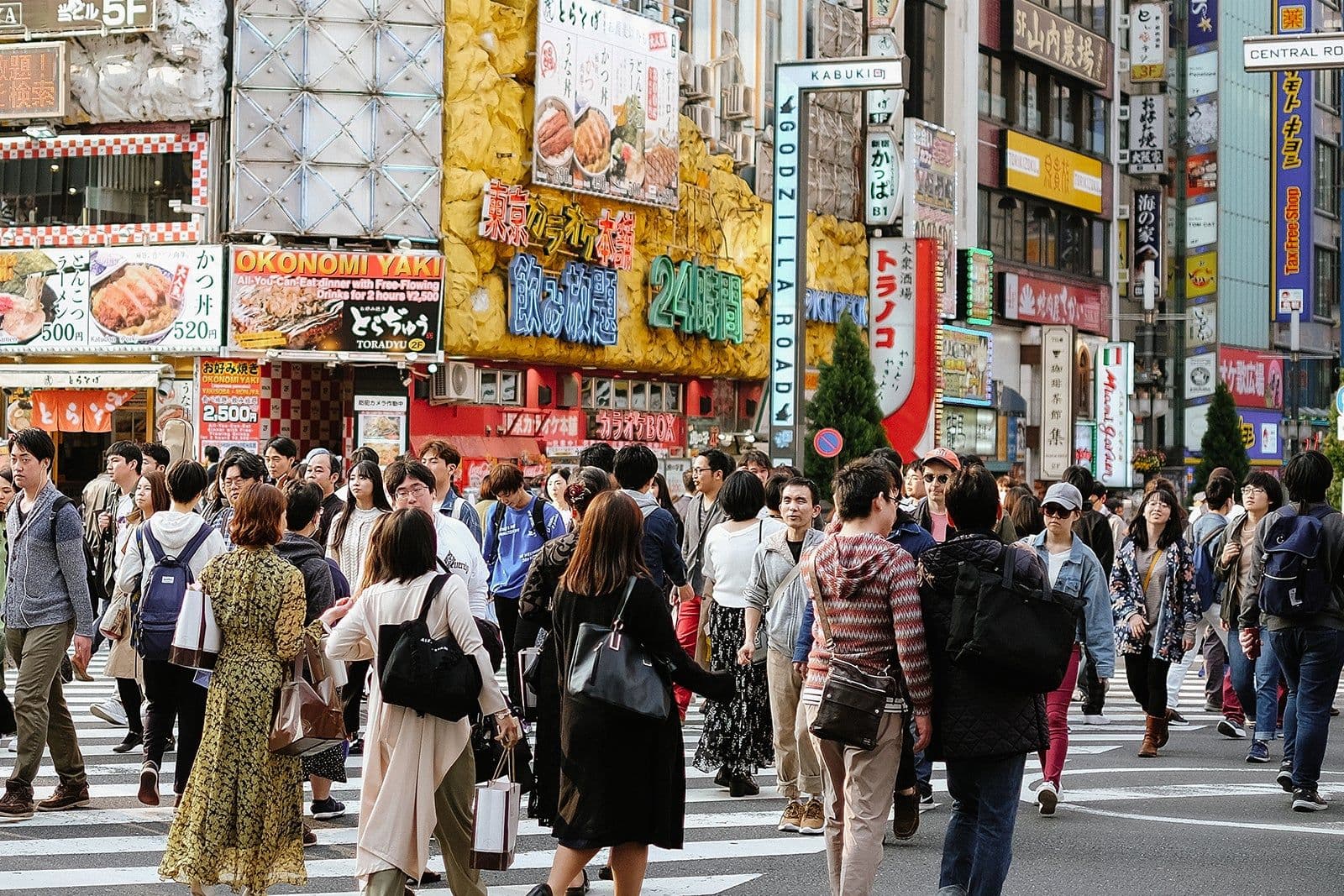
Japan is famous for service. Trains run. Streets stay orderly. Many visitors feel safer at midnight than they do at home. That part is real, and it is part of why people fall hard for a first trip.
What residents describe more often is a polite wall.
You can live for years with kind cashiers and careful neighbors and still feel kept at arm's length. People make space for you on the platform. They may not make space for you in their weekend plans. English thins fast outside tourist and corporate pockets. Without Japanese, you stay in the guest lane longer than your visa stamp suggests.
I kept noticing the same soft pattern: help with directions, then a quick nod, then the conversation ends before it becomes personal. That is not cruelty. It is a culture that protects privacy and group harmony, and treats the outsider as someone to assist without fully folding in.
There are harder edges too. Some bars and small businesses still signal that foreigners are complicated. Housing searches can feel filtered before you speak. None of that cancels the beauty of daily order. It does mean tourist Japan and resident Japan are different cities wearing the same skyline.
What often works better if you stay:
- Hobby clubs, sports teams, and language exchanges with a fixed weekly time
- Japanese study that is boring and consistent, not motivational
- Accepting that deep local friendships may take years, not weeks
- Building a mixed circle (locals plus other foreigners) without treating either as a failure
South Korea: warmer rooms, different walls
South Korea often feels louder and faster socially. Younger crowds in Seoul can be curious. Group dinners, karaoke, and language exchanges create openings that Japan may keep quieter. Many expats say it is easier to fill a calendar in the first months.
That warmth has shape. It often travels through shared containers: school, company, church, meetup, language partner. Random street friendship is still rare. A Korea Herald piece on foreign residents in Seoul captured the gap: people can socialize and still feel weakly tied to neighbors and local community life.
Korea can also be more direct. Comments on appearance, age, or "where are you really from" show up more than in Japan's careful reserve. Some weeks that feels honest. Some weeks it feels tiring. Tourist Korea sells K-culture glow. Resident Korea asks you to handle hierarchy at work, dense social calendars, and belonging that is real in the group and thin on the stairwell.
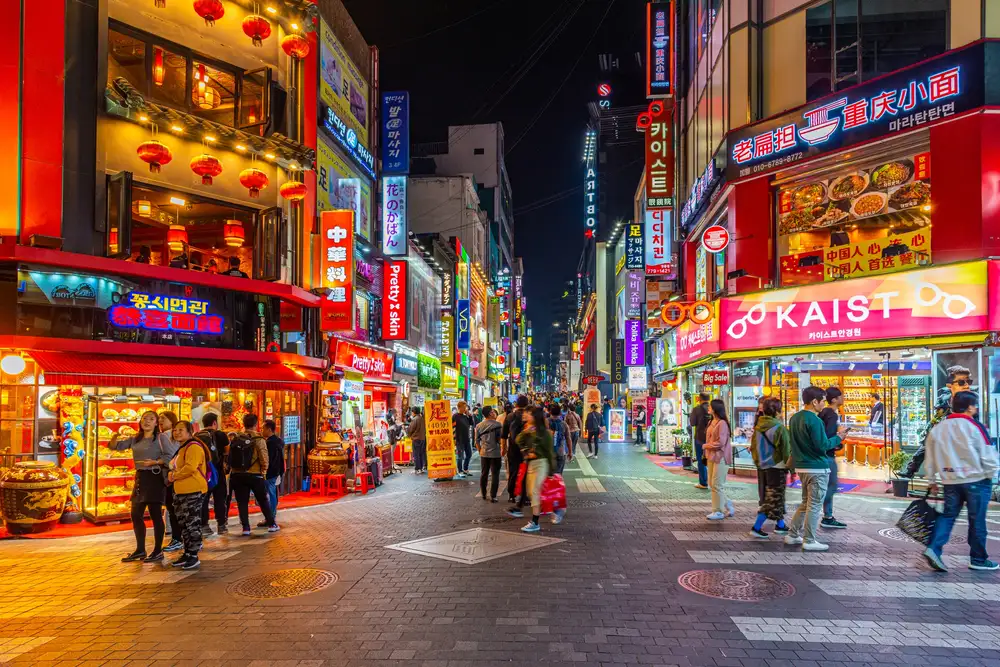
What often works better if you stay:
- Join one recurring group instead of chasing ten apps
- Learn enough Korean for shops, clinics, and small talk, even if work is English
- Expect intensity: invitations can come fast, and so can social obligation
- Notice city pockets (Hongdae, Itaewon, university belts) are not the whole country
Neither country is "closed" in a cartoon sense. Both can be kind. Both can leave you lonely. The difference is texture: Japan's distance is often soft and formal; Korea's inclusion is often warm and conditional on the right room.
If you are choosing a base
If you need peaceful systems and can live without constant social feedback, Japan's reserved public life can feel like relief after a chatty home country. If you need people on your calendar to stay sane, Korea's group culture may carry you further in the first year, as long as you accept that deep belonging still takes work.
A scouting trip should include ordinary evenings, not only temples and night markets. Eat alone in a residential district. Visit a ward office or bank queue. Notice who talks to you when you are not holding a suitcase.
Rules for visas and work change. Check official sources before you plan a move. Culture notes are not immigration advice.
If Japan and South Korea are both on your shortlist, put them side by side in Compare, then price a real month in the cost of living calculator. The scores will not tell you who will invite you over. Your weeknight test might.
Comments on Japan and South Korea: how locals treat tourists vs people who stay
Loading comments…
Share your experience

About the author
Sarah G.
Field-notes writer for Country To Live. She covers how places feel after the first month: weather, walkability, quiet costs, and the small habits that make a city livable.